Ho Chi Minh City (Saigon), Vietnam

Ho Chi Minh City (Saigon), is the largest city in Vietnam and the former capital of the Republic of Vietnam. Following the fall of Saigon in 1975, the city was officially renamed Ho Chi Minh City. However, it’s still commonly and routinely called Saigon.

The city, which is rich in culture, history, and national treasures, was an unusual, but exciting choice for our first vacation destination. We initially discussed the idea of going to New Zealand or Australia (just to get our toes wet), but, ultimately, decided to push the boundaries of our comfort zone and visit a city that’s a little less traveled. We ended up jumping into one of the most enriching and culturally engaging experiences of our lives.

This is the "luxury living residence" (hotel) where we stayed.  It included three bedrooms, three bathrooms, a kitchen, and an incredibly spacious living room/dining room.  The room cost the same as a Holiday Inn in the US.  Cheap!

We stayed on Thanh Da Island, which is considered the last vestige of green space in Saigon. Our “luxury living residence” (hotel) included three bedrooms, three bathrooms, a kitchen, and an incredibly spacious living room/dining room with an attached patio. It cost a little over USD$100/night. Cheap! Conveniently located on the Saigon River, the residence was an easy 15-minute boat or taxi ride to the city center.

The river, itself, was a great source of entertainment. The ever-changing direction of the river mystified us, the floating foliage provided a unique form of evolving art, and the constant activity of barges, fishing boats, ferries, and floating kitchens/markets bolstered our imaginations.
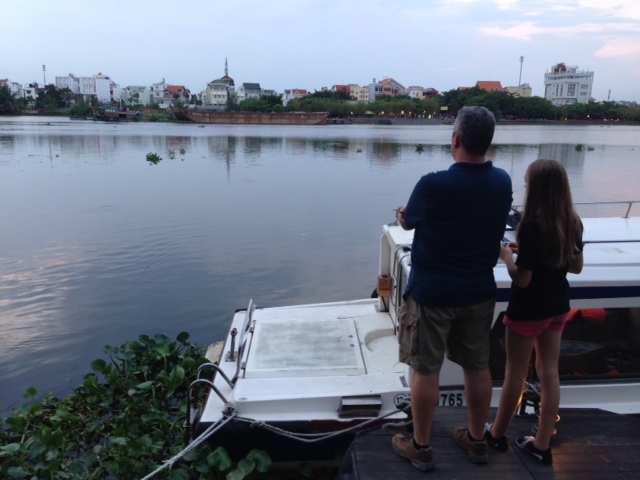
Chris and Ally enjoying the view from the hotel's dock.

Chris and Ally enjoying the view of the Saigon River from the hotel dock.

The Indochina Junk.  An Indonesian sailboat used for dinner cruises.

La Perle de l’Orient, a Vietnamese wooden yacht.

A lot of Vietnamese boats, like this one, have eyes on the bow to ward off evil spirits.

A lot of Vietnamese boats, like this one, have eyes on the bow to ward off river monsters.


The sound in the video is muffled because I (unfortunately) had my finger over the recorder. However, if you listen closely, you can hear the captain of a floating kitchen or market using his loud speaker to sell fresh food, fruits, or vegetables to passing vessels.

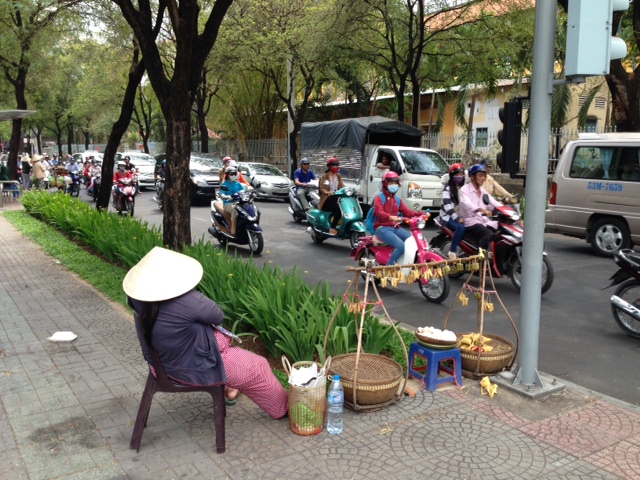
Saigon is a constant flurry of activity. Motorcycles, cyclos, taxis, tour buses, bicycles, and delivery trucks flood the streets. Pedestrians, tourists, walking venders, and crowded street kitchens fill the sidewalks. The cacophony of honking horns, motorcycles, and overlapping voices of excited street vendors add to the chaos, but it was all part of the cultural air that we breathed.

A typical Saigon street.

A typical street in Saigon.

A street vendor taking a nap in the hot Saigon sun.
A street vendor taking a nap in the hot Saigon sun.

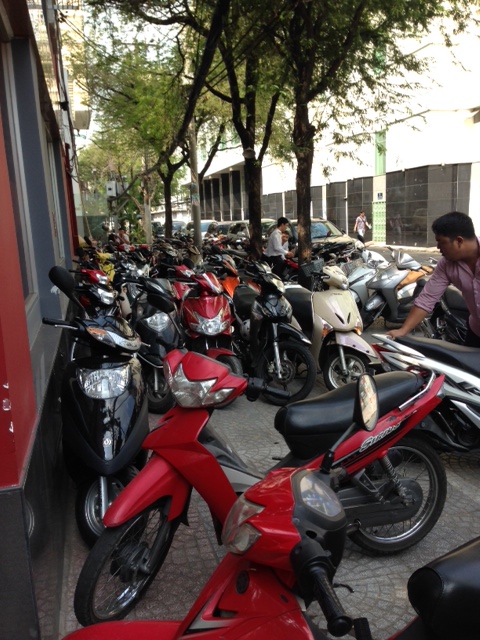
A typical sidewalk in downtown Saigon.

It’s not unusual to see sidewalks packed with parked motorcycles, which turns concrete paths into mazes.

One of the best things about Vietnam is the food, which is influenced by Chinese, French, and Cambodian cuisines. Traditional Vietnamese food is considered one of the healthiest cuisines in the world, and is regarded for its use of light, fresh, and fragrant ingredients. Some common ingredients in Vietnamese food include fish sauce, shrimp paste, lemongrass, mint, coriander (cilantro), and basil.

Within minutes of entering Behn Thanh Market (a landmark of Saigon that sells everything from fresh fruit to textiles) we were aggressively guided to this stall for lunch.  Chris wasn't too fond of sitting on a child-sized stool, with his knees up to his chest, and eating within shoulder reach of another tourist, but it was hard to resist the experience.

Within minutes of entering Ben Thanh Market (a landmark of Saigon that sells everything from fresh fruit to textiles) we were aggressively guided to this stall for lunch. Chris wasn’t too fond of sitting on a child-sized stool, at a child-sized table, with his knees up to his chest, and eating within shoulder reach of another tourist, but it was hard to resist the experience (which is typical for Vietnam).

Street kitchens are an essential part of city life in Saigon.   They are everywhere!

Street kitchens are an essential part of city life in Saigon.

Coconut vendors are everywhere in the streets of Saigon.  On a hot day, a fresh coconut with a brightly colored bendy straw is always a welcoming treat (especially for kids).  The vendors use a lot of trickery to sell their product, so tourists need to be careful.  This vender's modus operandi was encouraging tourists to feel how heavy his apparatus is.  Before we knew it, he had pulled out his machete and, at lightning speed, had the coconuts in the girls' hands.

On a hot day, a cold, fresh coconut with a brightly colored bendy straw is always a welcomed treat. The vendors use a lot of trickery to sell their product. This vender’s modus operandi is encouraging tourists to feel how heavy his apparatus is. Before we knew it, he had his machete out and, at lightning speed, had the prepared drinks in the girls’ hands.

Chris finally found, and, thoroughly enjoyed, a fresh durian!

Chris, finally, found and bought a fresh durian! The woman behind the counter is wrapping his fruit in layers of newspaper to prevent bodily injury during transportation.

Traffic defies all logic in Saigon. It’s everywhere, it’s constant, and rules don’t seem to apply or exist. It’s pure mayhem. Just watching the traffic from the safety of a taxi or a sidewalk gave me anxiety.

To get anywhere in Saigon you have to cross streets, which is, often, a death defying act. Cars and motorcycles don’t stop for pedestrians. Instead, they deftly maneuver around them (sometimes within inches of contact).

The first few minutes of watching traffic buzz past us, we were paralyzed by fear. Once we realized that we weren’t going to get anywhere, we followed the three officially regarded rules for crossing Saigon streets: 1. Take a deep breath. 2. Enter the street when you see a small opening. 3. Continue walking in a slow, steady, and constant pace.

The French began exploring and conquering areas of Vietnam in the 1850’s, so there’s a strong French influence in Vietnam’s history, architecture, and food. Some of the most beautiful French colonial buildings in Saigon include the People’s Committee Building, the Central Post Office, and the Notre Dame Basilica.

The People's Committee Building

The People’s Committee Building, which is not open to the public, was built between 1902 and 1908.
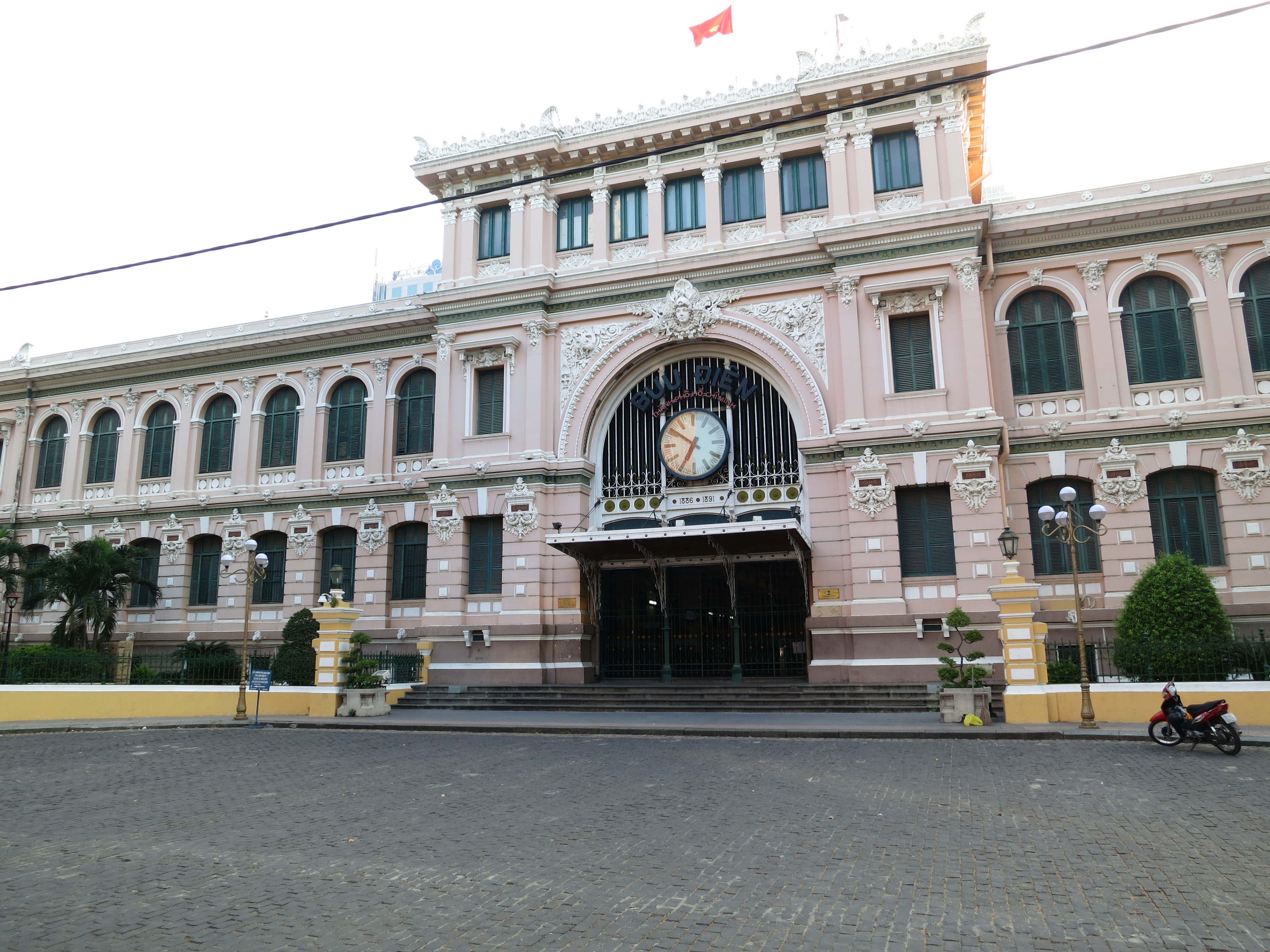
This is a picture of the Central Post Office.

The Central Post Office was built in the early 20th century by the famous French engineer and architect, Gustave Eiffel (yes, that one!).

The interior of the Central Post Office.  There was an official government holiday the day that we went to the post office, so it was locked up tight.  It was only locked with an iron gate, so we were able to peek inside and take pictures.

This is the interior of the Central Post Office. There was an official government holiday the day we were there, so it was closed. However, we were able to see it and take pictures of it though an iron gate.
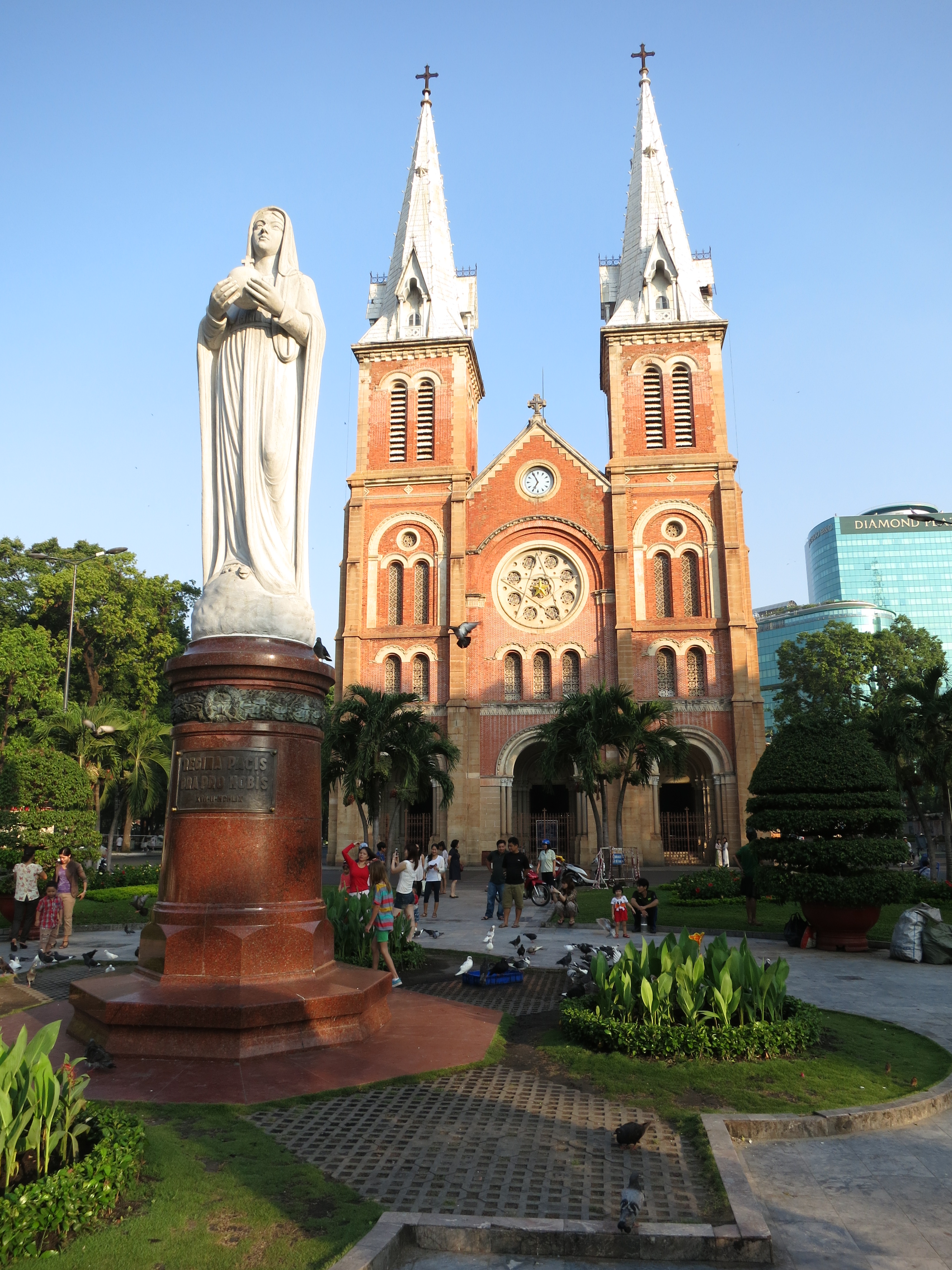
The Notre Dame Catherdral.

The Saigon Notre Dame Basilica was constructed from materials that were imported from France. It was built between 1863 and 1880 for French colonists who wanted a place to worship.

The Vietnam War has permanently scarred the country, and the tourism industry is geared toward reflecting the atrocities of the US military. In fact, all of the tour guides we encountered referred to the war as the “US War Against Vietnam”, the “US Aggressive War in Vietnam”, and, most often, the “American War.” Their views are (naturally) one-sided and filled with propaganda. With that said, we were always treated with kindness, dignity, and respect by the Vietnamese people.

This is a picture of the Reunification Palace.

The Reunification Palace. This is where the Fall of Saigon took place.

I love this picture.  It is a picture of Ally and Kylee touching the gates of the Independence Palace/Reunification Palace.   When they look at the iconic picture of a North Vietnamese Army tank crashing through those gates on April 30, 1975, they can say to themselves that they have touched those gates.

I love this picture of Ally and Kylee touching the Reunification Palace gates. When they are sitting in their history classes, and see the iconic picture of a North Vietnamese Army tank crashing through the gates of the Reunification Palace (pictured below), they will have the memory of being there 39 years later.

Photo by Vietnam News Agency REUTERS
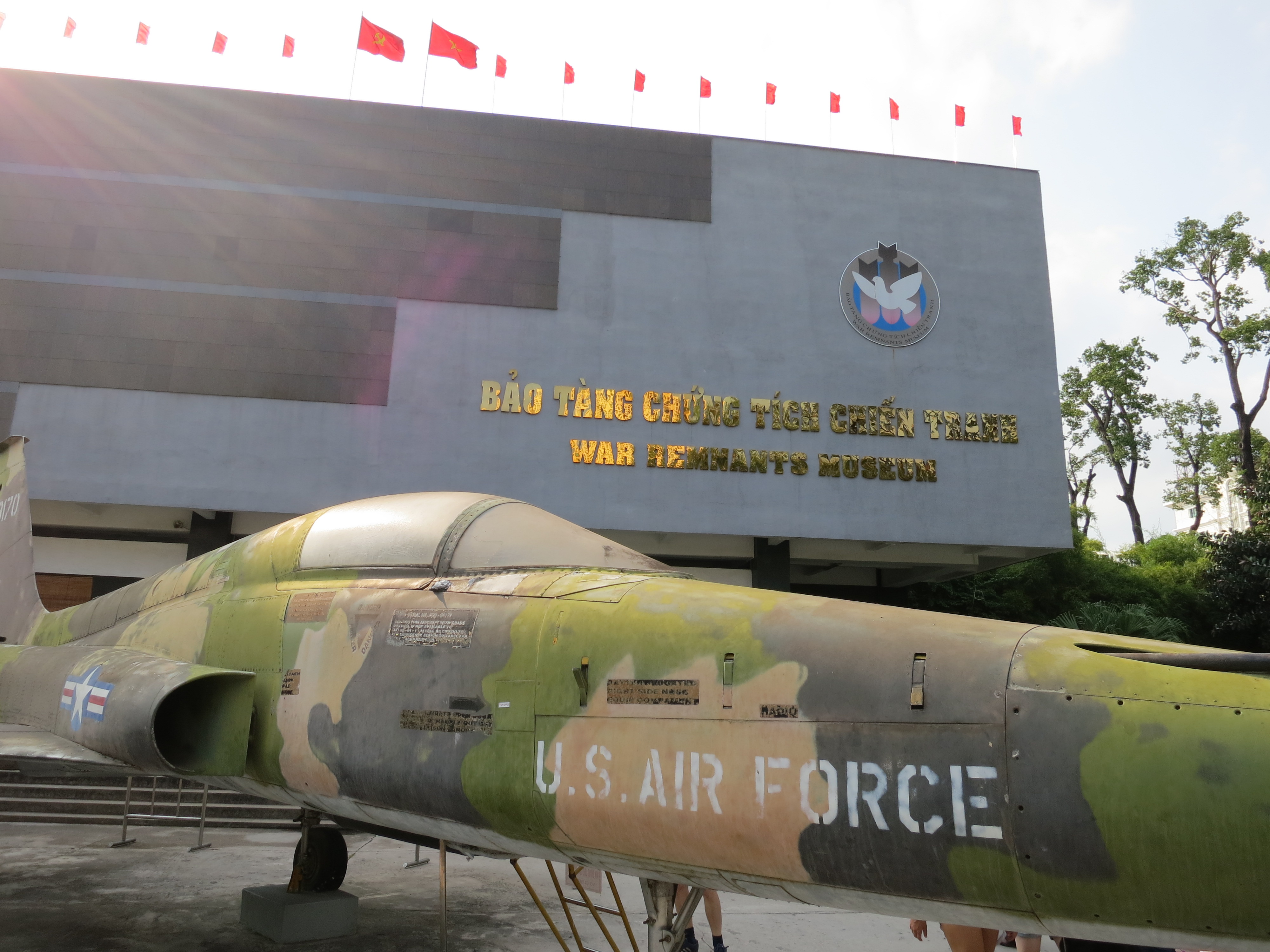
Photo by Vietnam News Agency REUTERS

An abandoned US military aircraft that sits outside the War Remnants Museum.

An abandoned US military aircraft that stands outside the War Remnants Museum. The War Remnants Museum houses materials of propaganda and a collection of incredibly graphic photographs and artifacts from the war.
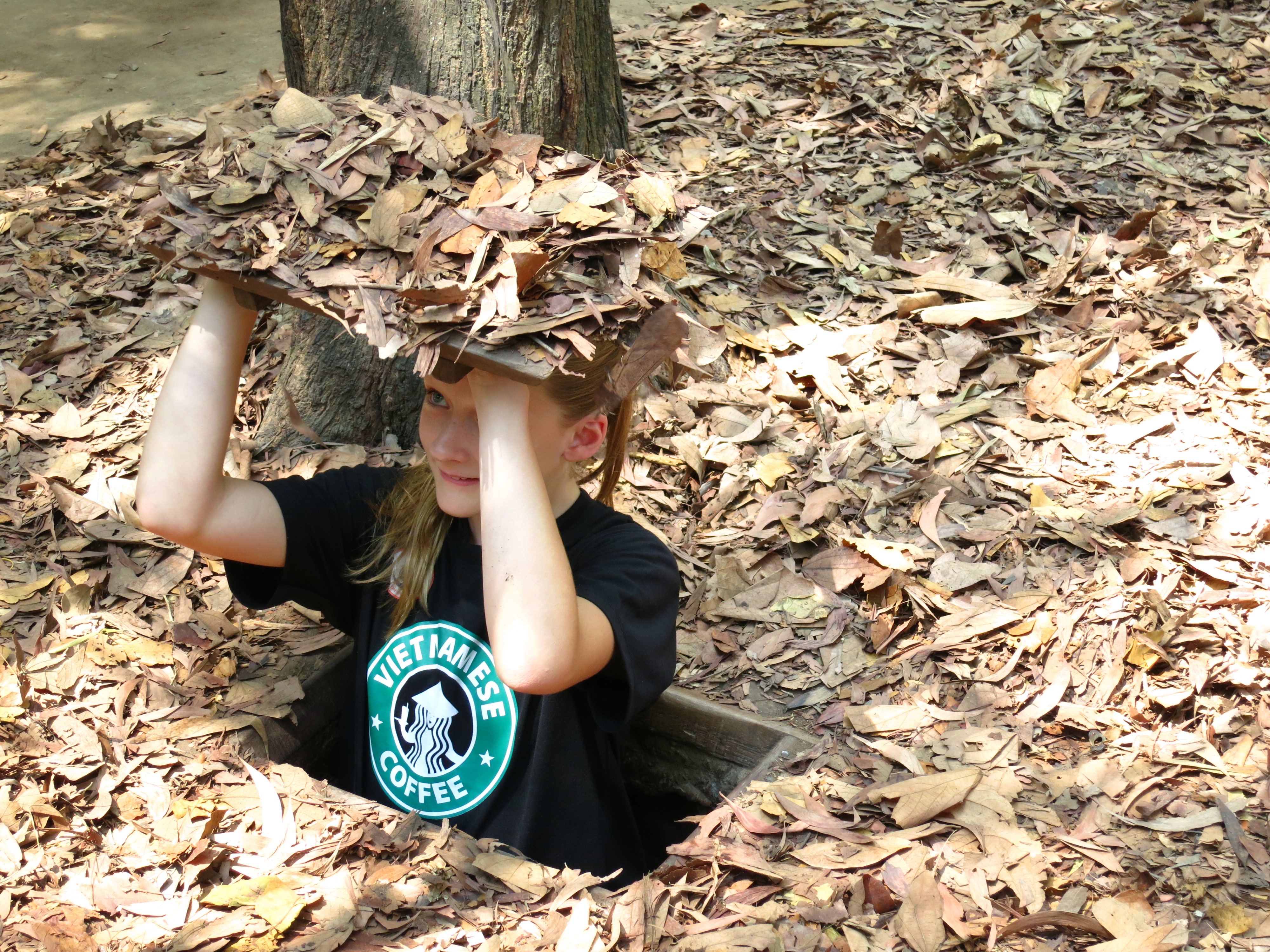
This is a picture of Ally standing in a camouflaged  trap door at the Cu Chi Tunnels.

Ally preparing to hide in a camouflaged trap door at the Cu Chi Tunnels. The Cu Chi tunnel system was an extensive and impressive network of underground tunnels that the Vietcong hid and operated in. The tunnel system, made of three levels and 250km of space, was an entire community that included living quarters and caches for food, tools, and weapons.
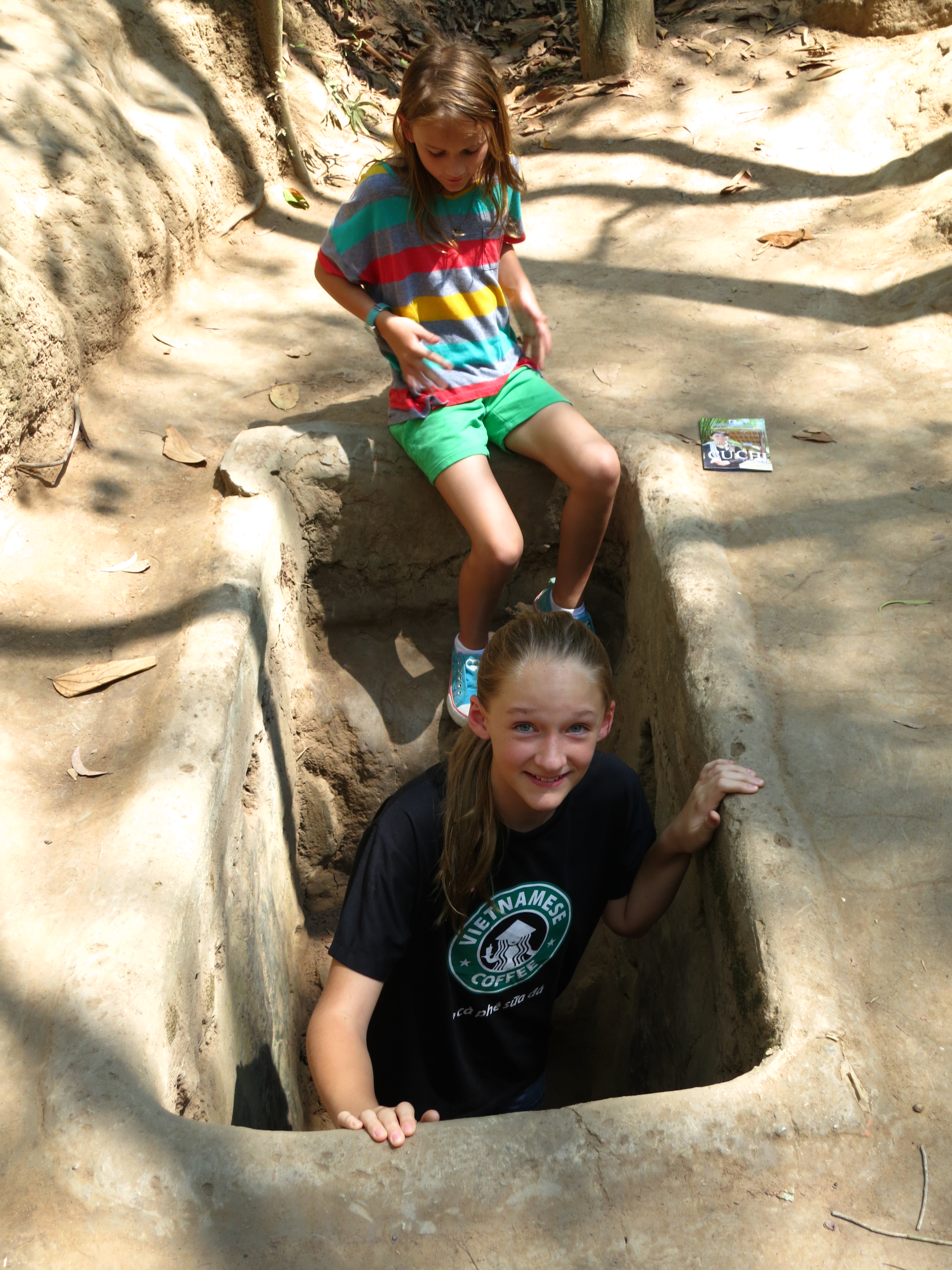
Kylee and Ally entering the Cu Chi Tunnels.
Kylee and Ally entering the Cu Chi Tunnels.

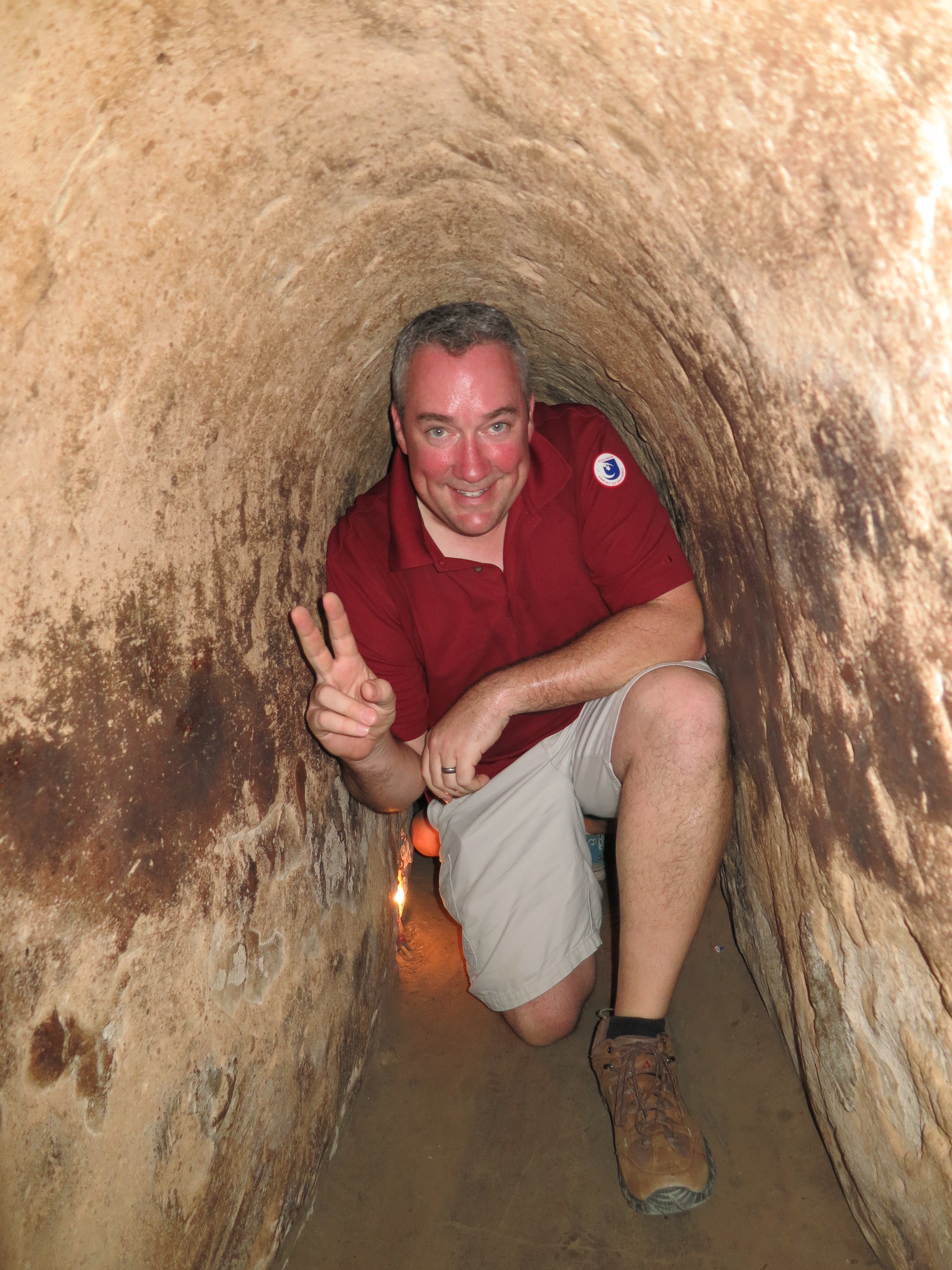
Chris crawling through the Cu Chi Tunnels.  The Cu Chi tunnel system was an extensive and impressive network of underground tunnel systems that the Viet Cong hid and operated in.  The tunnel system, made of three levels and 250km of space, was a community that included living quarters and caches for food, tools, and weapons.
Chris crawling through the Cu Chi Tunnels.

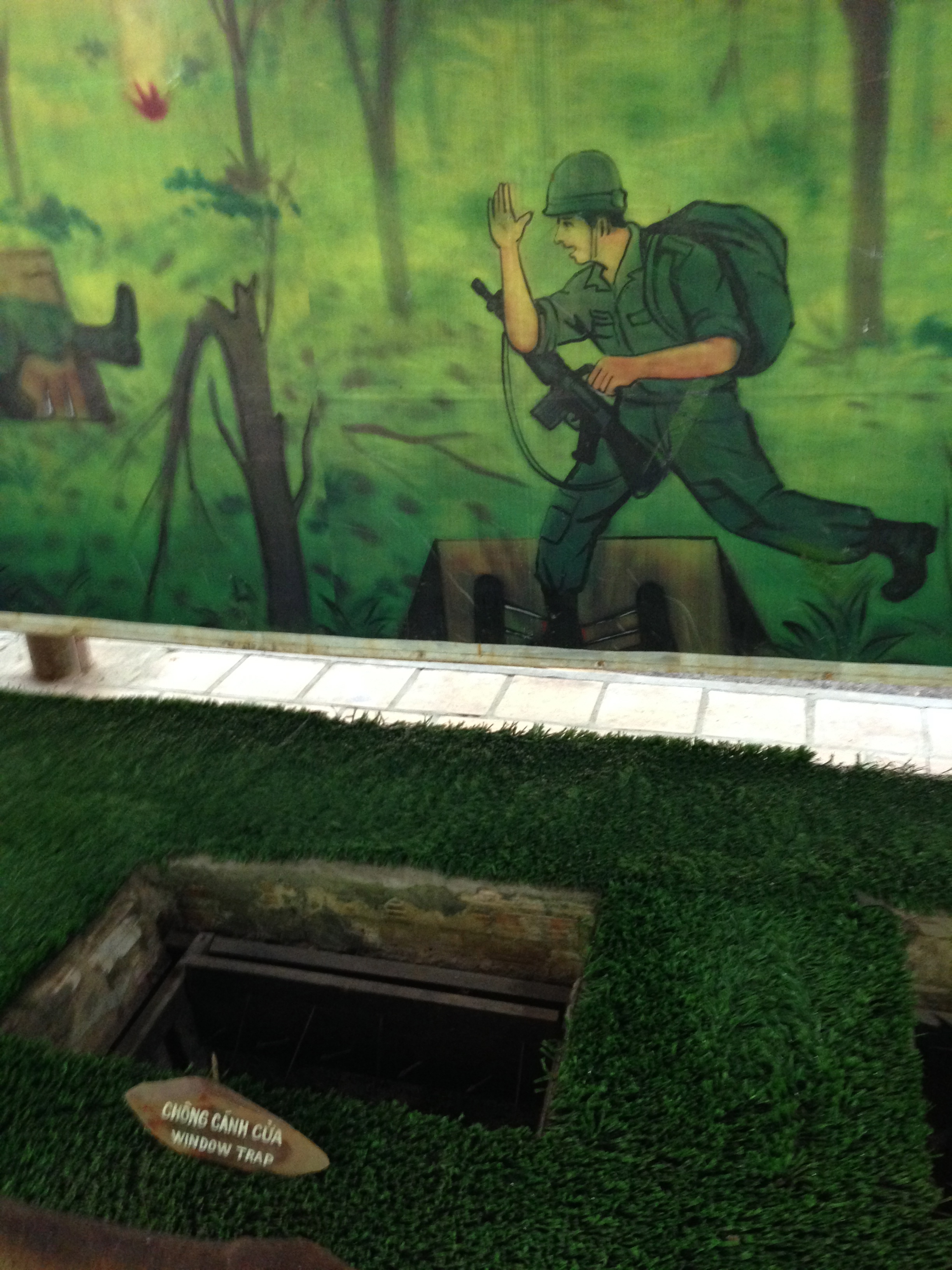
An example of a booby trap created by the Vietcong to "injure" American soldiers.  This trap was called the

An example of a booby trap created by the Vietcong to “capture” American soldiers. This trap was called the “window trap.”

A US Army tank abandoned near the Cu Chi Tunnels.

A US Army tank abandoned near the Cu Chi Tunnels.

We thoroughly enjoyed our trip to Vietnam. Would we go back? Absolutely!

Posted in Ally Rose, Kylee Rose, Uncategorized | Tagged , , , , , , , , , , , , | 1 Comment

We’re on Vacation!

Sorry-out-to-live-be-back-soon

I’ll be back in two weeks to post more pictures and stories of our family’s adventures in Indonesia (and beyond)!

Posted in Uncategorized | 1 Comment

A Tari Kipas Princess

Tari Kipas is an Indonesian folk dance that involves hand fans, exquisite costumes, and delicate movements. The dance, which consists of twelve parts in every move, tells a farewell story of the Boting Langi people (heaven) and the Lino people (earth). Some people recognize this dance as Kipas Pakarena, which means “playing.”

Kylee has been taking Tari Kipas dance classes since January. She is fascinated by the nature of the dance, but, most of all, she’s enchanted by the costumes. Her costume is one of the most extravagant dance costumes that I have ever seen. The full costume includes a brightly colored skirt and tunic, two wide gold bracelets, a set of chandelier-style earrings, a chandelier-style necklace, and a crown!

My Tari Kipas Princess! I love the way she is holding her hands in this picture.  The funny thing about it is that she's naturally (and successfully) hiding a piece of pizza crust between her hands.

My Tari Kipas Princess! I love the way she is holding her hands in this picture. The funny thing about it is that she’s naturally (and successfully) hiding a piece of pizza crust between her hands.

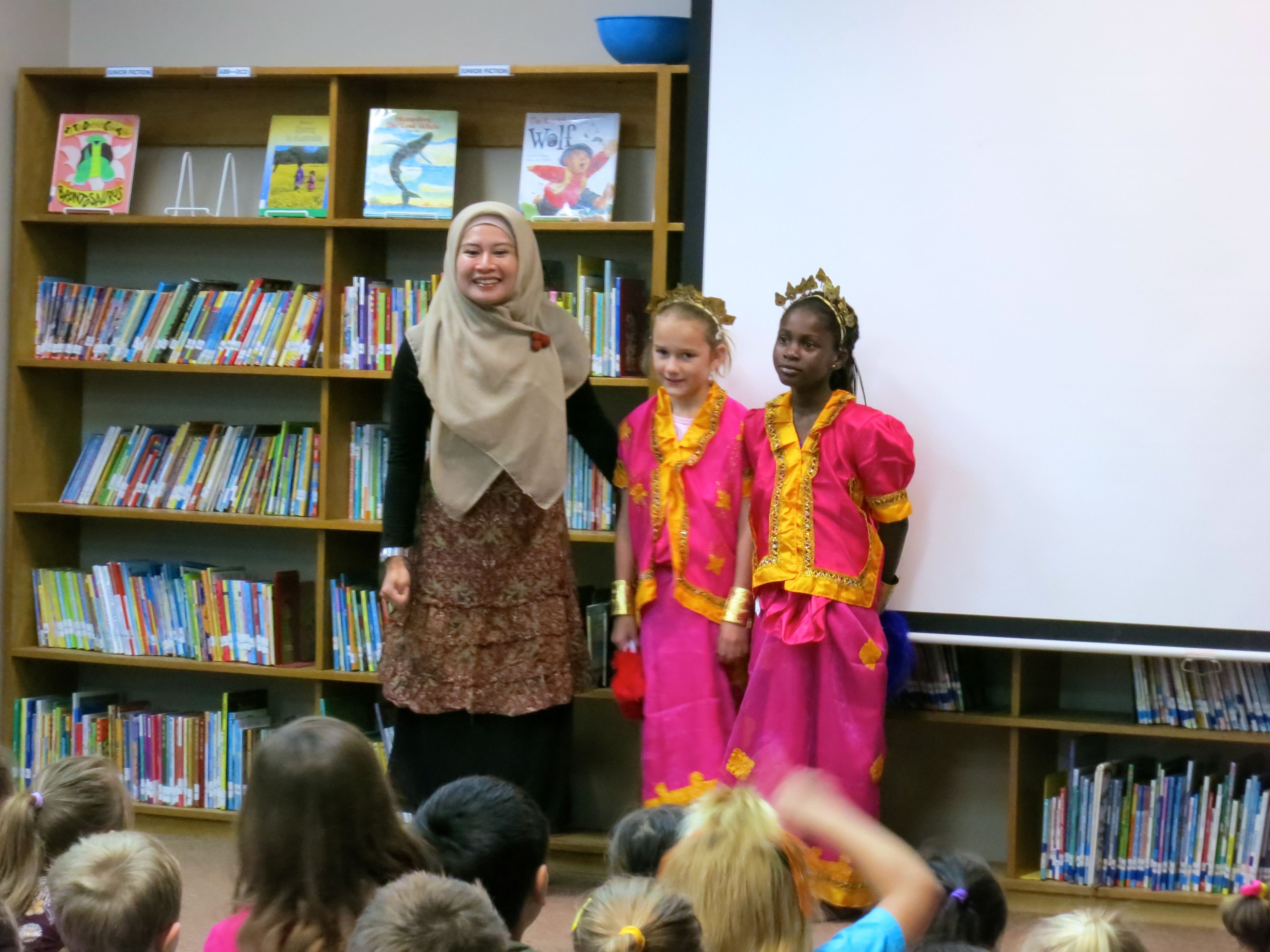
Kylee with her Tari Kipas instructor and one of her best friends, Paige.

Kylee with her Tari Kipas (and Bahasa Indonesia) instructor and her friend, Paige. They just performed a dance in front of an audience at school.

Posted in Kylee Rose, Uncategorized | Tagged , , | 5 Comments

My Final Post

I’m disappointed to announce that this is my final post. In an effort to quell anti-government sentiment, a block on social media was recently imposed. The strictly enforced ban includes, but is not limited to, Facebook, Twitter, YouTube and non-government/non-business related blogs.

Within 72-hours, 7693 Miles from Home will no longer be a functioning site. Regrettably, it will be removed and permanently deleted from the web. I’ve thoroughly enjoyed creating this blog and sharing it with you, but I must sign-off.

Click here to read the government’s declaration.

Posted in Uncategorized | Tagged , , , , , | 4 Comments

DHL 8829298273

The first box in our air shipment arrived at the DHL office yesterday! It took a lot of restraint not to tear off the shredded plastic, slip a blade through the tightly wrapped tape, lift open the cardboard flaps, and unpack the box’s contents right there in the back of Chris’s vehicle.

photo-5

With overwhelming anticipation, we gathered around the large box and silently speculated its contents. Chris hoped that his coffee maker was carefully packed inside the box. Kylee hoped to pull her fuzzy, purple blanket out of it. Ally hoped to see her bungee chair somewhere in the there. And I hoped the microwave was in it. In less than thirty seconds, the box was opened and its contents were revealed, and all the excitement immediately vanished from our faces.

It wasn’t Chris’s coffee pot, Kylee’s blanket, Ally’s chair, or the microwave. It wasn’t even a set of towels or a package of hangers, which we would have been equally happy to see. It was the dehumidifier. Our spirits deflated even more when Chris lifted the dehumidifier from the box and found two smashed and broken stainless-steel lids sitting at the bottom of the box.

Dehumidifier with pot lids

One box down and thirteen more to go (as soon as they get here).


Posted in Uncategorized | Tagged | 1 Comment

A Tribal War

As we continue to live a comfortable life at jobsite, a tribal war is taking place in the lowlands below us. A clash between the Dani and Moni tribes started earlier this month when a member of the Moni tribe was killed during a land dispute. Tribal animosity is typical among the Papuan tribes, which often results in conflict and bloodshed.

On March 13, 2014, an article in the The Jakarta Post reported that the death toll was up to seven and that hundreds more were injured. Since then, the war has continued to escalate and intensify. PTFI employees who belong to the Dani and Moni tribes have taken leave from their jobs to fight the war. When the war is over, they will return to jobsite and to their positions.

In many ways, the indigenous tribes have become increasingly more civilized over the years. However, they continue to live in very traditional ways, too. Violent clashes, the use of bows and arrows, eye-for-an-eye killings, peace offerings, and arrow-breaking ceremonies remain strong elements in tribal warfare. The war will end when the leaders of the two tribes reach an agreement.

Indigenous Papuans and their traditional weapons (IST)

Indigenous Papuans and their traditional weapons (IST)

Posted in Uncategorized | Tagged , , , | 1 Comment

KITAS

After 4 months and 13 days of living in Indonesia, we, finally, have our KITAS! We just received confirmation from the New Orleans office that they gave Crown Moving authorization to transport our air shipment from its storage unit to a DHL processing site in Ohio. If all goes well, we should have our air shipment before the first week of April.

Our sea shipment, on the other hand, is a different story. It’s still sitting in a custom’s warehouse somewhere in Papua. We are keeping our fingers crossed, carrying our lucky talismans, wishing on stars, searching for wild four-leaf clovers, and just plain hoping that our sea shipment will be released now that we have been granted temporary living status.

Posted in Uncategorized | Tagged , , , | 2 Comments

A Bus Ride

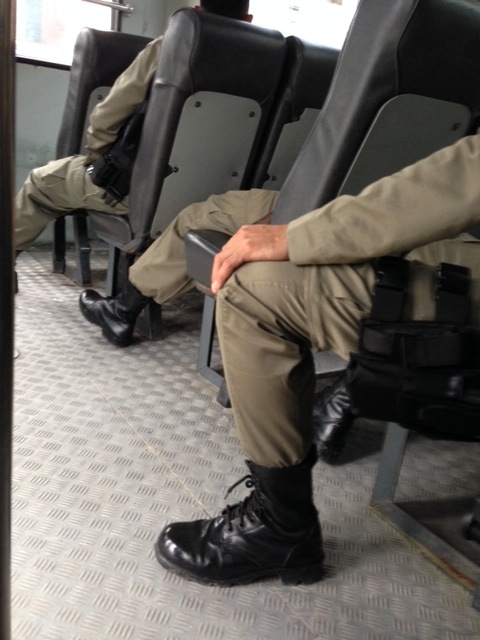
Just another day on the bus with seven armed members of the Indonesian Polisi. With assault rifles strapped around their shoulders and pistols secured to their hips and thighs, they sat in the four rows directly in front of me and three rows across from me. I was interested in finding out where they were going, but not interested enough to follow them to their destination.

This is a clandestine photo of the three polisi who were sitting across from me.

This is a clandestine photo that I took of the three polisi who sat across from me. Generally, the polisi and military are happy to pose for pictures, but I still haven’t found the courage to ask them. As soon as I do, I will snap some better pictures and post them.

Posted in Uncategorized | Tagged , , | 1 Comment

Two Little Monkeys

We are quickly approaching the four-month mark of this adventure. Moving to Indonesia has been, by far, the most difficult and challenging thing that the girls have ever done. With that said, it has also been an incredibly rewarding experience for them. Just a few months ago, they left behind a world of convenience, luxury, and comfort for a world that was only imaginable from the pictures that Chris took and from the stories that he told. Even with those pictures and stories, nothing could have prepared them for what they have gone through.

The transitional process of moving into this unique and unconventional community has been long, and, at times, difficult. However, the girls are beginning to show signs of genuine contentment. They are happy, healthy, safe, and have gained a strong sense of connectedness and community. They have successfully acclimated to life in the jungle!

My two little jungle monkeys enjoying a short walk around the property of the Rimba Resort in Timika.

My two beautiful, little monkeys enjoying a short walk at the Rimba Hotel in Timika.

On a little side note: I JUST experienced my first earthquake! It was a small one (between a 3.0 and 4.0), which is common here. It made the air and floor move in waves, wobbled my chair, and rattled the kitchen cupboard doors. I’ve been secretly waiting to experience my first earthquake, so, now that I have, I don’t think I need to experience another one.

Posted in Ally Rose, Kylee Rose, Uncategorized | Tagged , , | 4 Comments

Tembagapura

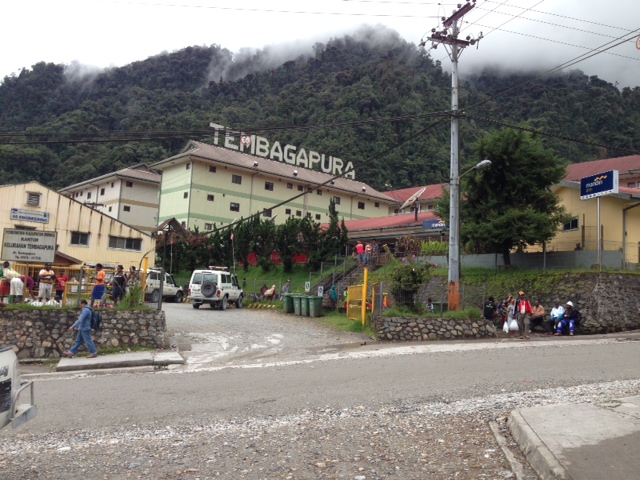
If a picture is worth a thousand words, it would take more than a million words to describe Tembagapura; and one could easily drown in those words. These pictures don’t even begin to capture the essence and totality of this extraordinary environment, but it opens a small window into what life is like here. I’m continuously and repeatedly fascinated by it.

This is a great view of Tembagapura (which means "Copper Town" in Indonesian).  Tembagapura is comfortably nestled in  the Jayawijaya Mountains.  The town is about 6, 600 feet above sea level, and it gets 20 feet of rainfall/year.  Typically, the weather is sunny, warm, and beautiful in the morning (can get into the 80's), changing to cool (high 60's), cloudy, and rainy in the afternoons.

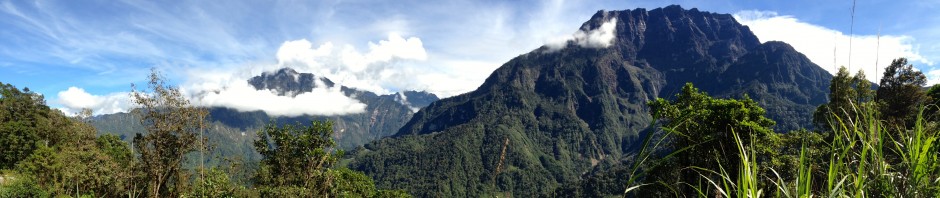
Tembagapura, which translates to “Copper Town” is tightly and comfortably nestled in the thick rainforest of the Jayawijaya Mountain Range. The town is 6,600 feet above sea level. Typically, the weather is sunny and warm in the morning, then it changes to cool, cloudy, and rainy weather in the afternoon. Tembagapura receives, approximately, 20 feet of rainfall per year. The town is completely accessible by foot; however, a free bus system is available for employees and their families to use.

This is a picture of Chris's office building.  Even though it's located in town, his responsibilities take him from the rim of the open pit mine (14,500 feet above sea level) to the bowels of the underground mine (6-7 miles inside the mountain), and everywhere in-between.

Even though Chris’s office (inside the main office building) is located in town, his responsibilities take him from the rim of the open pit mine (14,500 feet above sea level), into the bowels of the underground mine (6-7 miles inside the mountain), down to the port site, and everywhere in-between.

This is a picture of the girls' school, Mt. Zaagkam International School (MZIS).  It is completely owned, operated, and funded by Freeport McMoRan.  MZIS is touted as being the most isolated international school in the world.   There are around 65 students enrolled in the school.

The girls’ school, Mt. Zaagkam International School (MZIS), is completely owned, operated, and funded by the company for its expatriate employees. There are roughly 70 students (kindergarden through grade 8) enrolled in the school. Kylee is in the 3rd grade classroom with 9 other students. Ally is in a combined classroom, which includes all middle school students (grades 6-8). There are 16 students in her class. Their school shares a campus with YPJ, a school for Indonesian students. YPJ is, also, owned, operated, and funded by the company. MZIS is touted as being “the world’s most remote international school.”

This is a picture of the busiest building in town.  It's referred to as "Family Shopping."  This building houses the Hero grocery store, a very small department store, and a craft store.  It, also, houses a post office, two banks, a coffee shop, a drug store, and a beauty salon.  Family shopping is flanked by the library and athletic center on one side, and a large community center/auditorium on the side.  This is also the bus station.  You can see one of the town busses parked under the hangover.  The building on the right is a barrack for single employees.

This is the busiest building in town, “Family Shopping.” The central part of the building houses a grocery store, a very small department store, a craft store, a post office, two banks, a restaurant/coffee shop, a drug store, and a beauty salon. That part of the building is flanked by a library and an athletic center on one side, and a large community center/auditorium on the other side. The building on the right is living quarters for single-status employees.

This is a picture of the Lupa Lelah Club.  There is a dining room on the main floor and a bar in the basement.  This is where we go for Sunday brunch.  A lifetime membership costs 1,000,000 Rp

The Lupa Lelah Club has a very large dining room on the main floor of the building and a bar in the basement. This is where we go for Sunday brunch, date nights, parties, and special events. A lifetime membership at the Lupa Lelah Club costs 1,000,000Rp.

This is a picture of

A smaller shopping center in Tembagapura called Singlemans. The short, yellow building (seen behind the large tree) offers people a place to bank, have a cup of coffee, pick up their mail, buy a few groceries, and/or obtain cell phone services. This is also where Papuans go to buy betel nut (an Asian tree nut that is used like chewing tobacco). Papuan women set up make-shift markets along the sidewalk to sell their products. The tall building in the background (with the iconic TEMBAGAPURA sign) is living residence for single-status employees. The lighter yellow building (on the left) is an engineering office.

This is a picture of my favorite restaurant, Kokarfi, also known as Kops.   run by     K

My favorite restaurant, Kokarfi, also known as Kops. It’s a popular restaurant in Tembagapura because it only serves Indonesian food, and it has a stage for karaoke. The Indonesians love karaoke! The yellow building on the left is the smaller shopping center that I described above. The building on the right is living residence for single-status employees.

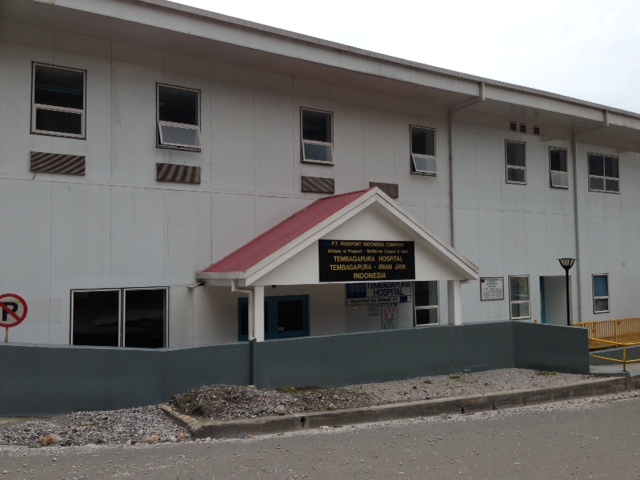
This is a picture of the Tembagapura Hospital (front view).  Its directly across the street from Kops.  When Kylee was in the hospital, her room was the third window from the left .

Tembagapura Hospital sits directly across the street from Kops. When Kylee was in the hospital, her room was the third window from the left.

This is a picture of  our neighborhood, Hidden Valley.   It's often lost in the clouds, hence, its name.

One of many views of our neighborhood, Hidden Valley. The apartments are for employees who are living at jobsite with their spouses and/or children. The apartments are very spacious and bright, and have some pretty amazing views!

This is a picture of our house, HV1021-A.

Our house, HV1021-A. Even without our shipments, it’s starting to feel like home.

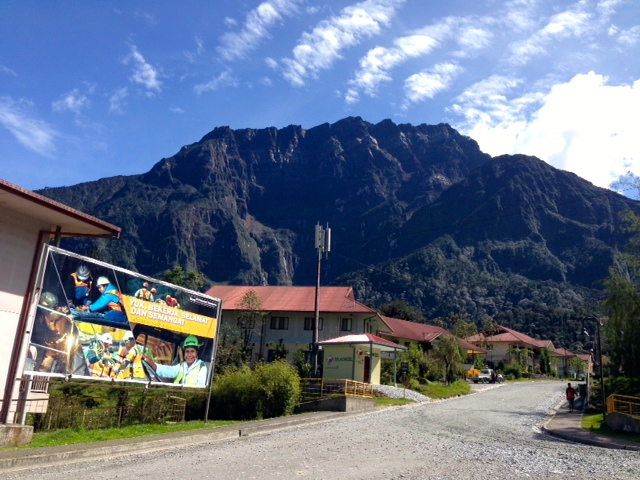
This is a picture of our neighborhood, Hidden Valley.  The beautiful Mt. Zaagkam stands commandingly above this apartment lined street.  Company posters, which add a bit of  industrial whimsy to neighborhood, are common around all parts of town.  Loosely translated, the sign means, "Lets work safely and with spirit."

The beautiful Mt. Zaagkam, which stands commandingly above an apartment lined street in Hidden Valley. Company posters are a common sight. I appreciate the touch of industrial whimsy that they add to the neighborhoods. The message on the banner loosely translates to, “Lets work safely and with spirit.”

This building is a 3-minute walk from our house.  It houses a little grocery store, a coffee shop, an exercise center, a post office, and a security office.  The girls enjoy meeting their friends at the coffee shop for a Coke and French fries after a long day of school.

The shopping center in Hidden Valley is a 2-minute walk from our house. The building houses a little grocery store, a restaurant/coffee shop, an exercise center, a post office, and a security office. The girls enjoy meeting their friends at the coffee shop for an ice cream or a plate of French fries after a long day of school. The covered area on the left is a large park with swings, slides, tunnels, and monkey bars.

This is the

The sports hall in Hidden Valley is right across the street from the building described above. It has a full-size basketball court, volleyball court, and tennis court inside. Ally spends a lot of time at the sports hall playing basketball and volleyball with her friends.

This is a picture of the swimming pool in Hidden Valley.

The community swimming pool is located in Rainbow Ridge (directly above Hidden Valley). Kylee is on the school’s swim team, so she visits the pool twice a week to train. She’s currently in the silver team, but she’s working hard to move up to the gold team.


Posted in Uncategorized | Tagged , , , , , , , , | 13 Comments

Air Shipment v.s. Sea Shipment

Weeks before moving to Indonesia, I spent a lot of time creating piles of items that we needed to take to with us.  Essential items were placed in the suitcase/backpack pile. Important items that we wanted right away were placed in the air shipment pile. Large and nonessential items, that we could live without for 4-6 months, were placed in the sea shipment pile.

I’ve thought about the contents of the air and sea shipments often, but I’ve never questioned or regretted my placement of a single item. Until today.  Chris just received confirmation that our sea shipment has arrived on the island. In an ironic, but, by no means surprising twist of fate, our air shipment is still sitting in an Arizona warehouse.

It’ll be interesting to see which shipment arrives first. Our air shipment can’t be sent until Chris is granted his KITAS (a temporary Indonesian living permit), and we’re not sure how much longer that will take. Also, it’s not unusual for sea shipments to be held-up (for weeks, or even months) on the dock or at customs.

The waiting (and guessing) game continues.


Posted in Uncategorized | Leave a comment

Birthday Tepung

Ally turned twelve yesterday, and, again, today! In addition to recognizing and celebrating her American birthday, we recognized and celebrated her Indonesian birthday (Papua, Indonesia, is 18-hours ahead of Phoenix).

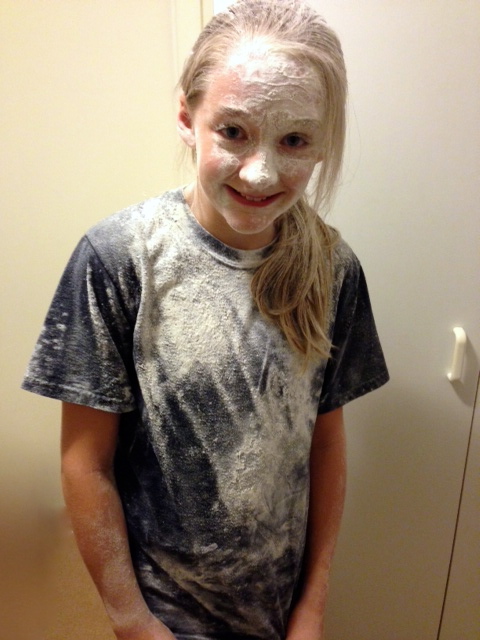
For the most part, the Indonesian culture is deeply rooted with convention, tradition, and mores, but it has its quirky side too. In some Indonesian communities, “flouring” the birthday boy/girl is common practice. He/she is doused with water (the dirtier the better) and then attacked with flour. Some people will even take it a step further and throw eggs at the birthday boy/girl.

Ally loves getting dirty, so she thoroughly enjoyed this celebratory practice!

Bowls of flour (tepung) used to assault Ally.

Bowls of flour (tepung) used to attack Ally.

Ally after the Birthday Tepung.

A picture of Ally after her birthday tepung.

Selamat Ulang Tahun (Congratulations Repeated Year), Ally!

Posted in Ally Rose, Uncategorized | Tagged , , , , | 3 Comments