Hard Hats, Safety Vests, and Butterfly Nets

All indicators point to the spot where the world’s most hostile butterflies exist.  It appears as though they live and breed across the street from our house.  All this time, we should have been more concerned about butterflies, and less concerned about men with machetes.

photo-14

Posted in Uncategorized | Tagged , , , , , , , | 4 Comments

In the Jungle, the Mighty Jungle

The forest near our house is periodically inhabited by elusive Papuans who are heard, but not seen. The sound of their powerful voices, hooting and hollering within the dense tropical vegetation, has a staccato-like rhythm that punctures the air. Sometimes, their voices are shroud in thick, white smoke that slowly rises above the forest floor, or muffled by the sound of heavy metal hitting raw wood. It’s a unique part of living in the jungle – their jungle.

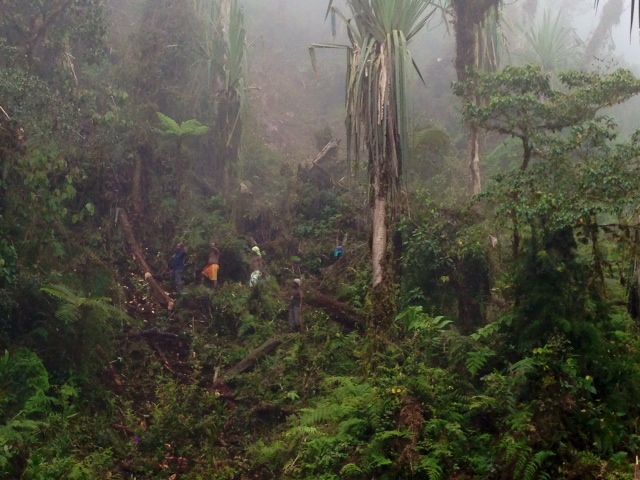
Until now, their jungle activities were limited to the sounds that I heard and the pictures that traveled through my imagination. Last week, a group of Papuan men gathered on the fringe of the rainforest (less than 50-feet from our house) and worked out in the open. They spent two full days cutting wood and stacking their newly acquired timber inside a rolloff container.

I took this picture on the first day, when the Papuans were cutting down the trees.  The only tools they used were machetes (to remove small limbs) and axes.

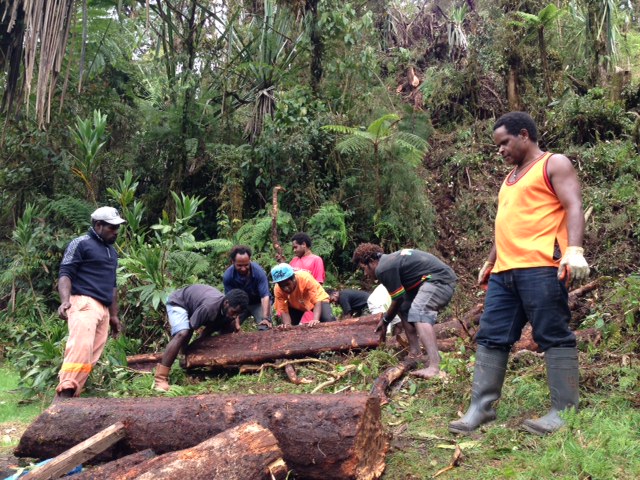
This picture was taken on the first day.  The men spent an entire day cutting felled trees into smaller, more manageable sections.  The security guard explained to me that they were taking the wood to Banti Village for new construction.

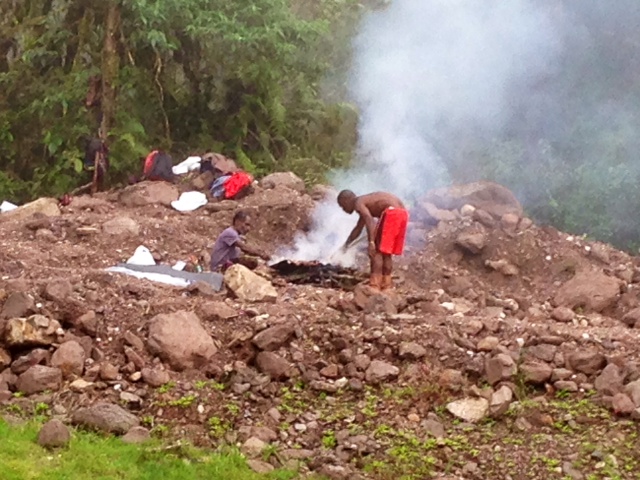
The men took a short break to cook ayam (chicken) over a fire.  After a short lunch break, they went back to work.  The Papuans are hard, dedicated workers.

The men took a short break to cook ayam (chicken) over a fire. After a short lunch break, they went right back to work. The Papuans are, generally, hard working people with strong work ethics.

Rolling the timber down the hill to the cargo bed

The men rolled the large, heavy pieces of timber down the hill to move them closer to the container.  Some of the men wore steel-toed boots, and some of them worked barefoot.

The company provided the container and a truck to transport the timber to the village.

It took a group of six men to pick up and carry a piece of timber into the container.  The company provided the container, truck, and a driver to transport the timber to the village.

Loading it onto the cargo bed.  Photo - only English word they could say.

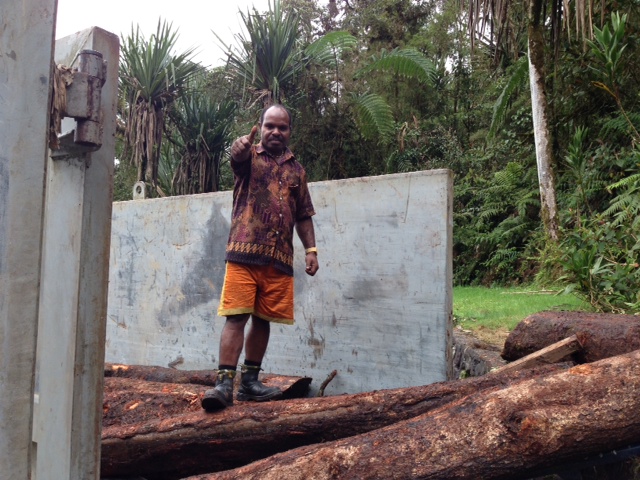
This man was excited when I walked over to them with my camera.  He, immediately, called out “Photo, photo, photo!” and posed for this picture.  It is possible that the word “photo”  is the only English word that he knows.

Posted in Uncategorized | Tagged , , , , , , , | 2 Comments

Ho! Ho! Ho!

Look who donned the official red suit and magically transformed into Tembagapura’s Santa Claus for a day…

Photo courtesy of MIko Sularso

Photo courtesy of MIko Sularso

Chris hid behind the long, white beard and had his photo taken with believers and admirers, handed out candy to bashful observers, and flew around town in Trakindo’s 4-wheel sleigh. All in a day’s work for the gentle man with rosy cheeks.

Posted in Christmas, Santa Claus | Tagged , , | 3 Comments

Banti Village

Ally has had the opportunity to travel to some extraordinary places in the short time that we have lived here. Places with a wealth of culture. Places wrought with diversity.  And, places entrenched in history or committed to growing with the future. Each place incomparable to another.

Last Friday, she and the other MZS middle school students (accompanied by security, teachers, and parents) had an opportunity to explore their backyard and visit a local Papuan village.  The experience was unlike anything they have encountered.  Aside from challenging their comfort zone, it widened their cultural frame of reference. It was a unique and rare opportunity for them to see and connect with local people.

Group picture

A group picture of the MZS middle school students and their teachers.  Ally is standing at the far end.

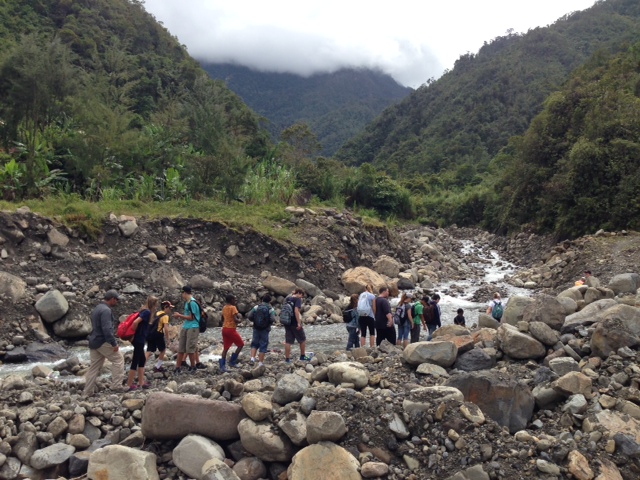
walk along river

A picture of the group hiking along a river.

up hill

The group had to hike up this steep hill to get to Banti Dua, Banti’s sister village.

school kids waiting

The Banti school students lined up and patiently waited for our group to arrive, so they could join the fun.

ally and kids

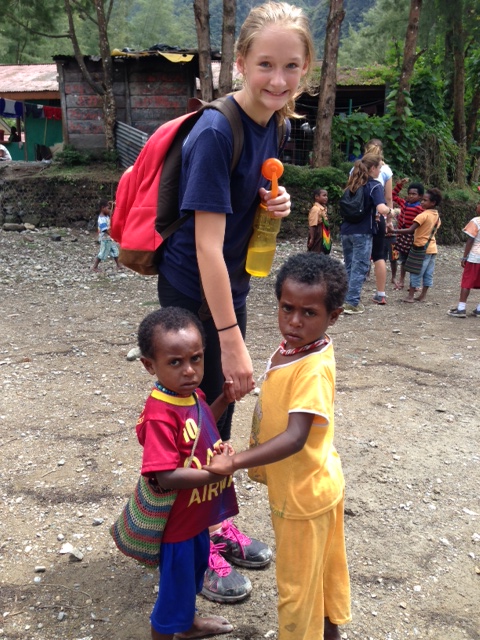
Ally and a group of kids from the village.

ally and friends

Ally and her friends, Arie and Monalisa.  They took the hand of an “angel” and wouldn’t let go.  The Papuans believe that people with golden hair are close to God and akin to angels.

bridge

This suspension bridge connects the two sides of the village.  It’s a source of grand entertainment and amusement for the children of the village – they love running up and down the bridge.  After a few minutes of watching, the MZS students joined in and started running with them.

woman with pig

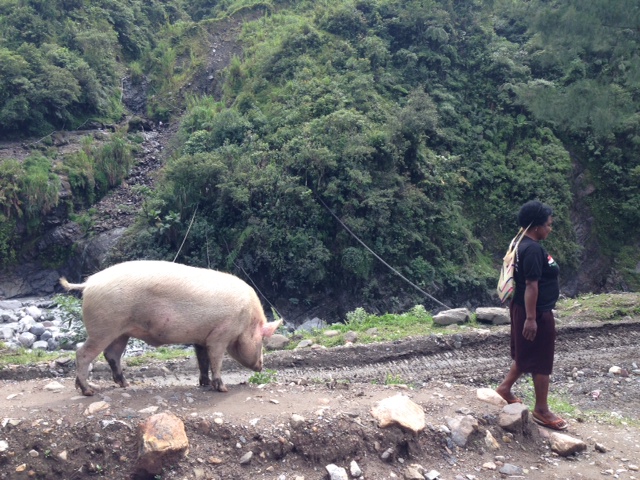
A Papuan woman with a pig.  Pigs are an important commodity in Papuan communities; they are used as a source of currency, as a means of income, and in traditional ceremonies.

family in house

A family relaxing on their porch.  It’s common practice for families, extended family members, dogs, and pigs to reside in a single family dwelling.

Boys sitting on a rock wall.

A group of young kids, sitting on a rock wall, watching our group walk through their village.

roadside market

A group of Papuan women and children sitting near a roadside market. They are selling Indonesian celery and chayote squash, which were grown in and harvested from their native gardens.

men with machete

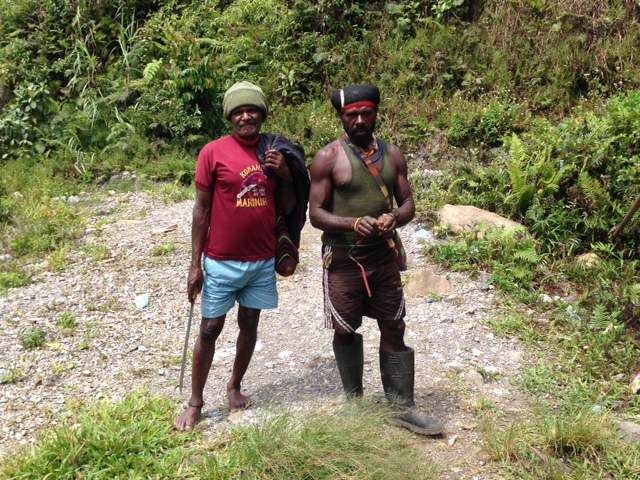
Two men with a machete.

men with bows and arrows

These two men, with their bows and arrows, were on their way to hunt bird in the rainforest.

gum boot boys

I love this picture of a young boy (and his friend) wearing a traditional bag around his neck and bright blue gum boots on his feet.

A group of Papuan kids playing with a toy helicopter.

A young boy playing with his toy helicopter.

old lady

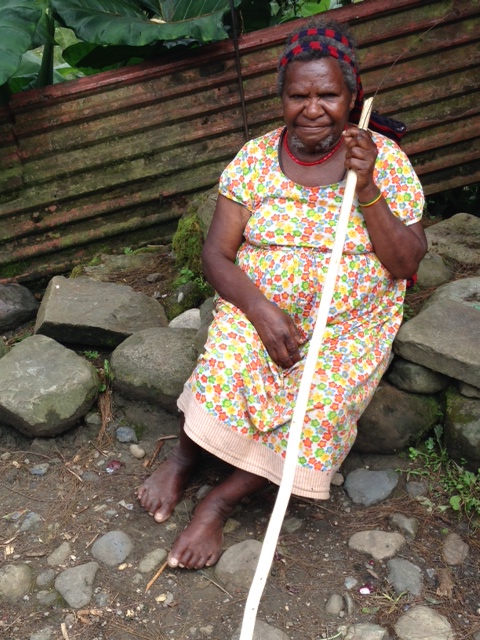
An older member of the village.  She sat on a pile of rocks outside her home and welcomed us into her village.

The tour ended at the Banti school.  The company invests a lot of time, money, and resources to support the people of Banti.  It built and staffs the school,

Our tour ended at the Banti school. The company invests a lot of time, money, and resources to support the people of Banti, including building, renovating, and staffing the school.

Posted in Papuan children, Papuan family | Tagged , , , , , , , , , | 6 Comments

A Year in Numbers

365logo-1024x1024It’s hard to believe that we’ve been living in Indonesia for 1 year (or 365 days).
Before 2 trips to Singapore, we lived as temporary residents for 232 of those days.

Indonesian cell phone numbers have 13 digits. Tembagapura landline phone numbers have 6 digits. Our home address consists of 4 numbers and 1 letter.

We have been to 6 countries and traveled through 14 different airports. We obtained 1 visa, 3 visas on arrival, and 1 letter of approval to travel into some of those countries.  Ally has traveled off-site 3 times without us. 2 of our suitcases already need to be replaced.

We have made 55 Amazon orders, with a total of 168 items. Some of those items include 7 pairs of socks, 3 printer cartridges, 2 tennis rackets, and 1 can of tennis balls. It takes 14 days to receive an Amazon order from the DHL warehouse in Ohio.

So far, this blog consists of 64 posts. It has been viewed in 74 different countries; including 4 views in Cote d’lvoire and 6 views in Israel. The highest number of post views received in a single day is 257.

I’m ashamed to admit that I have already hoarded 23 cans of black beans and 8 jars of pickles.

We have 63 pirated DVDs from Bali. A single DVD costs 10,000 rupiah (US$0.88). Only 12 of those movies are viewable from start to finish. It takes 2 days to download an entire movie from the internet.

Ally has grown 3 1/4 inches since we moved to Indonesia. Kylee has grown 2 1/2 inches. Tembagapura gets approximately 236 inches of rainfall every year.

We have been on the armored buses 1 dozen more times than the choppers. A chopper ride up/down the mountain takes 20 minutes. An armored bus ride up/down the mountain takes almost 3 hours. I have not driven for 367 days.

We experienced 1 minor earthquake and 1 major mudslide. We had no running water for 5 days and no wifi for 9 weeks.

Our collection of egg carton elastics is up to 127.

Posted in Uncategorized | Tagged , | 1 Comment

Ghosts, Goblins, and Equilateral Triangles

While ghosts and goblins roamed the streets of jobsite, Ally was in Bali attending an international school math competition. Through a series of unforeseen events, the competition evolved from something that she excitedly signed up for to something that she dreaded. The competition haunted her for weeks and became a tremendous source of anxiety for her.

As difficult as it was to send Ally off early Friday morning, Chris and I knew that it would be a meaningful experience for her. Not in the sense of competing to be the best, or the fastest, at designing a series of equilateral triangles with a limited number of lines, but at realizing how facing adversity can build confidence, competence and character. Ally will return to jobsite tomorrow morning with more strength and resiliency, and with a sense of accomplishment.

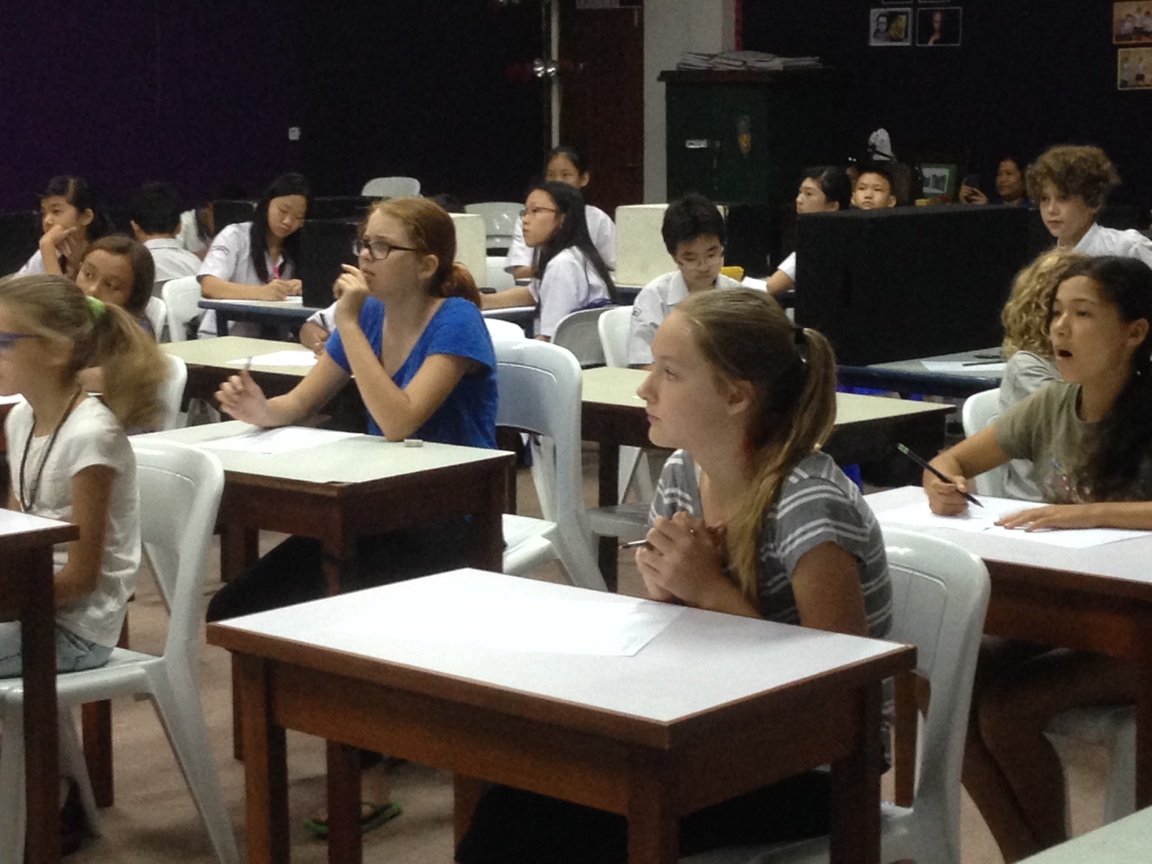
Ally competing in one of Saturday's sessions.

Ally competing in one of Saturday’s sessions.

Posted in Uncategorized | Tagged , , , , , , | 2 Comments

Thailand

Thailand sits in the heart of Southest Asia. Bordered by Laos, Cambodia, and Burma (Myanmar), it covers 513,000 square miles of thick tropical forests that transition into thriving cities, quaint mountain villages, and idyllic beaches. Its cultural charm, reflected in faith and tradition, is just as palpable as its natural beauty.

Our vacation started in Mae Rim District, a small village north of Chiang Mai. We spent 6 days at a quiet mountain resort, flawlessly nestled in a valley confined by rolling hills and low hanging clouds. The compelling views exuded peace, restfulness, and tranquility.
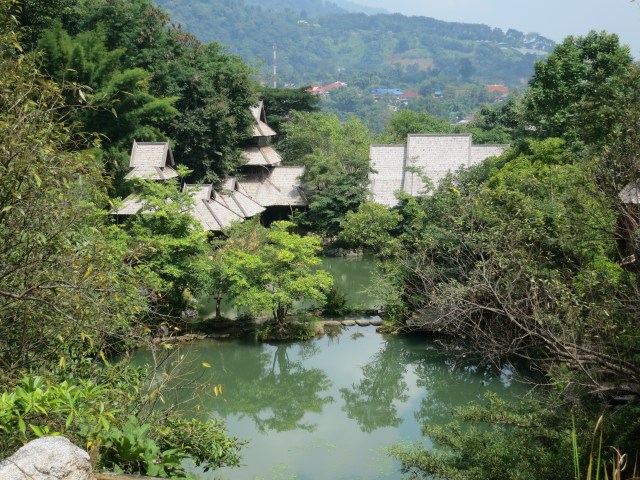
Pnviman

One of many views that we enjoyed from dusk to dawn.

The girls and I enjoying a different view.

The girls and me enjoying another view.

Pool

The resort had an amazing three tiered pool.  The girls spent most of their time playing around the double waterfall where they climbed around the rocks, sat under the cascading waters, and jumped into the pool.

Clockwise cow.

The hotel borders grazing grounds for a large herd of cattle. After thourough observation, Chris concluded that we were looking at clockwise cows, counterclockwise cows, and flatlanders. The clockwise cows (as pictured above) should never be confused with the counterclockwise cows because their legs are shorter on the right side (which prevents them from falling down the steep hills). Counterclockwise cows have longer legs on the opposite side (which allows them to maintain balance and stand upright in the opposite direction). Flatlanders, on the other hand, have perfectly even legs.  Yup, that’s why Chris is a safety guy and not a vet.

When we weren’t enjoying the calm, serene surroundings of the resort, we were experiencing the wild side of Thailand. We made paper from elephant poo, flew high above the forest floor, and visited an uprooted tribe. We even got up close and personal with tigers.

PooPoo Paper Company
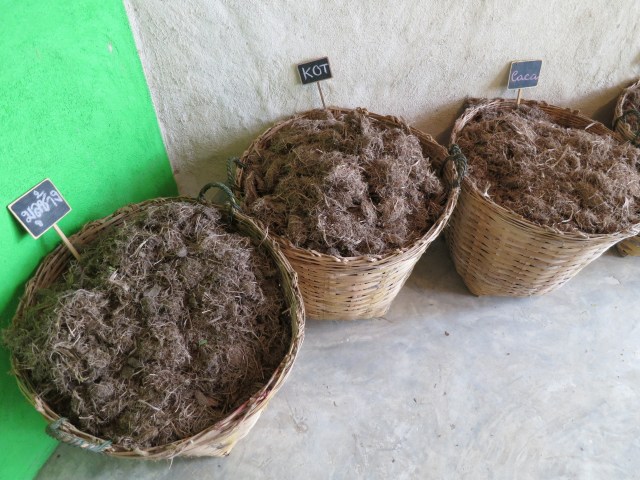
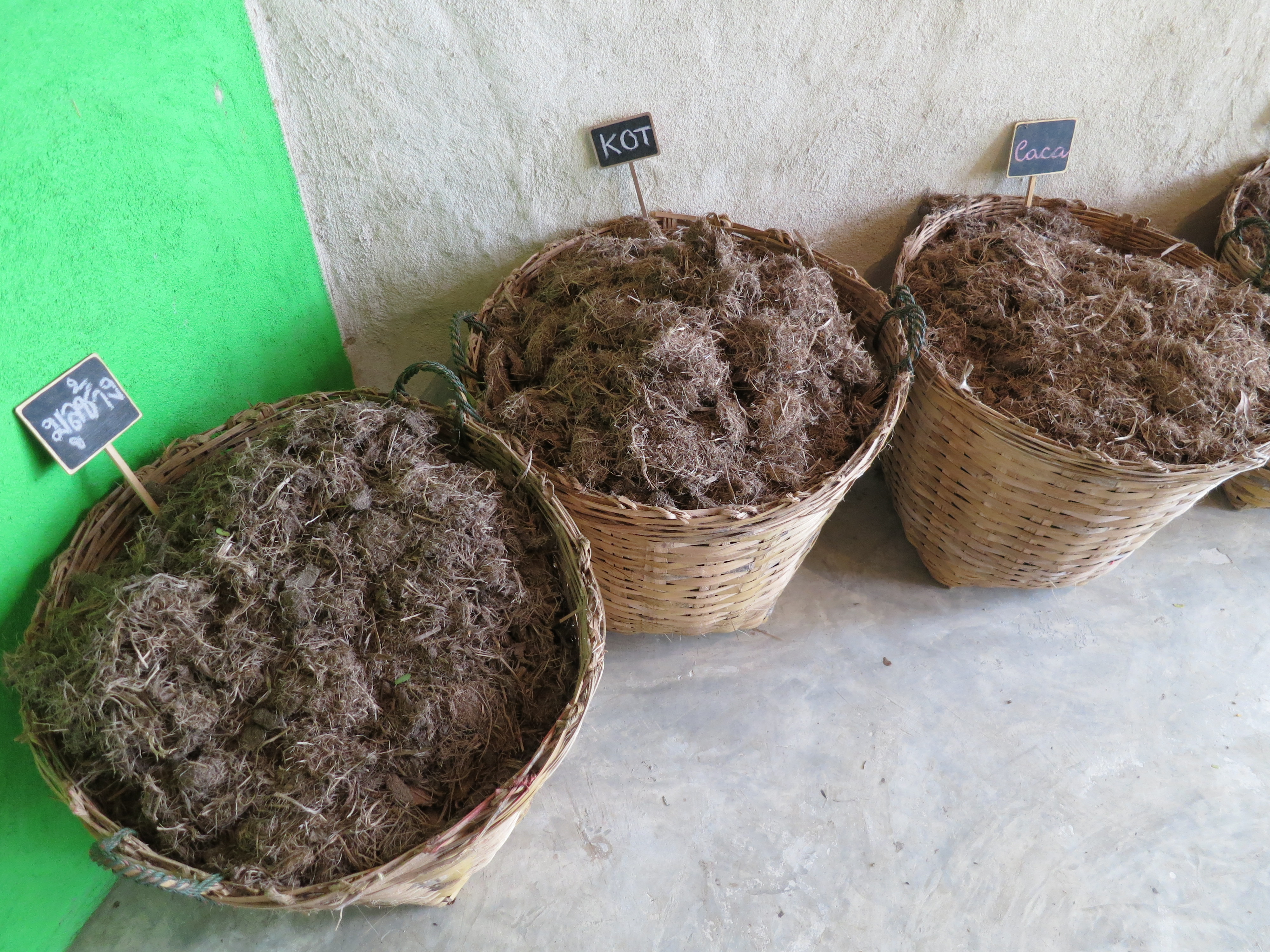
Buckets of poo

Elephant poo spelled in any language is still elephant poo.

Poo sludge

The girls practicing their skill of stirring simmering elephant poo sludge. Surprisingly, it didn’t smell.  The only aroma in the air was the smell of burning wood, which was used to heat the sludge.
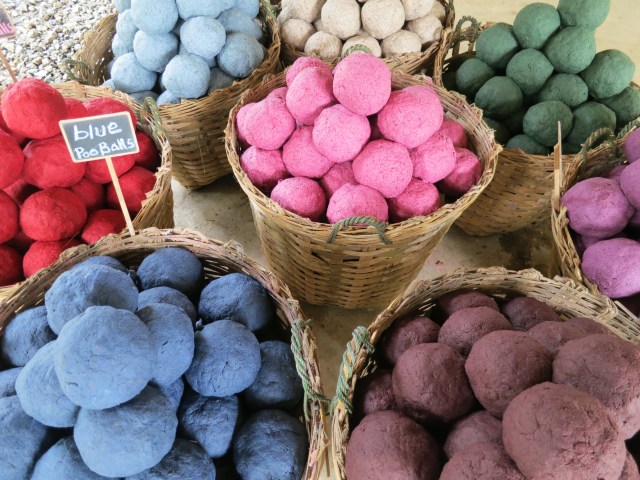
Blue poo

Blue poo balls.  Pink poo balls.  Red poo balls.  Green poo balls.  White poo balls.
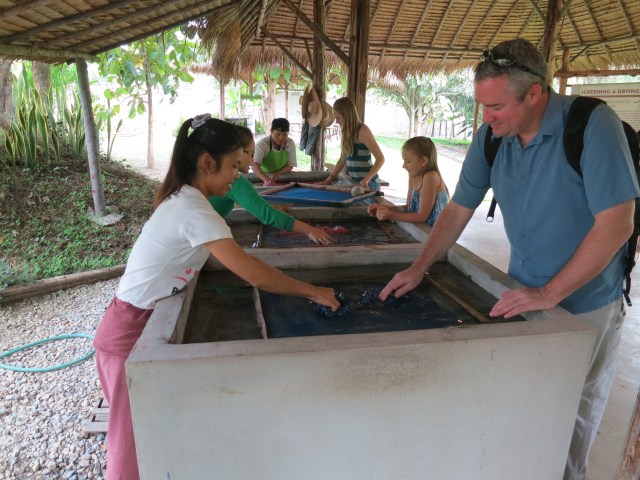
Poo is poo no matter what language.

We used water baths and mesh screens to turn colored poo balls into large sheets of paper. Once the paper fibers were spread evenly over the screens, the screens were lifted off the surface of the water and set out to dry in the hot sun.
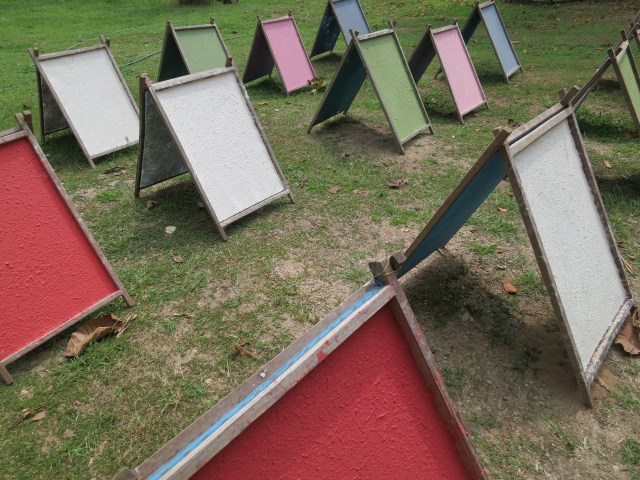
Poo poo paper drying in the sun.  After several hours, the paper is pulled off the screen and stacked.

Poopoo paper drying in the sun. After several hours, the paper is pulled off the screen and then sorted and stacked.

Karen Village

Karen Village

After making poo poo paper, we visited a Hill Tribe populated by several subgroups of Karen people.  Many of them, whose ancesetral home is believed to have originated in Burma, sought refugee status in Thailand more than a decade ago.  They no longer suffer from oppression, but their simple way of life has turned into a commercialized attraction.  Tourists pay a fee to enter the villages, and, once they are in, they are besieged with, and limited to, wooden stalls filled with cheap jewelry, textiles, and figurines. We could only walk along the path shown in this picture; the rest of the village is closed to tourists.
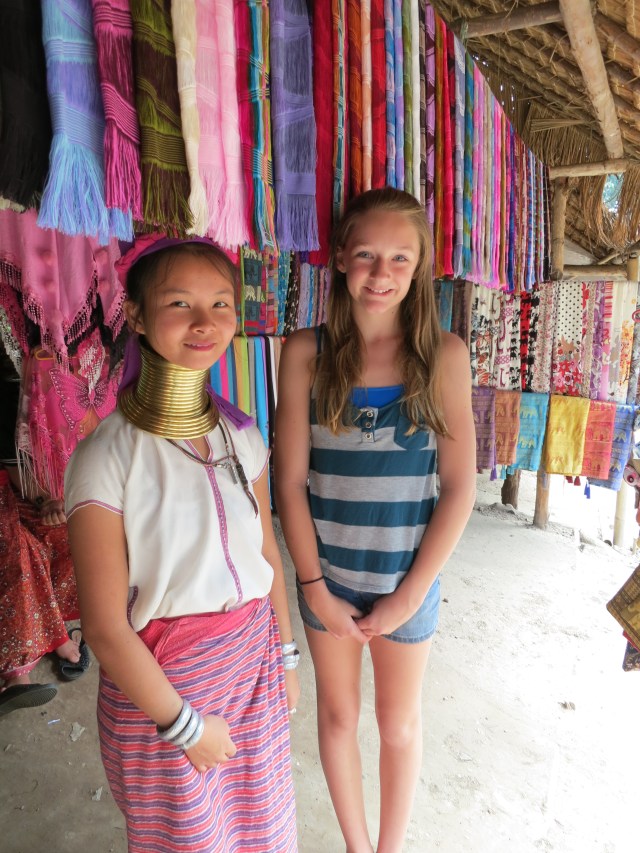
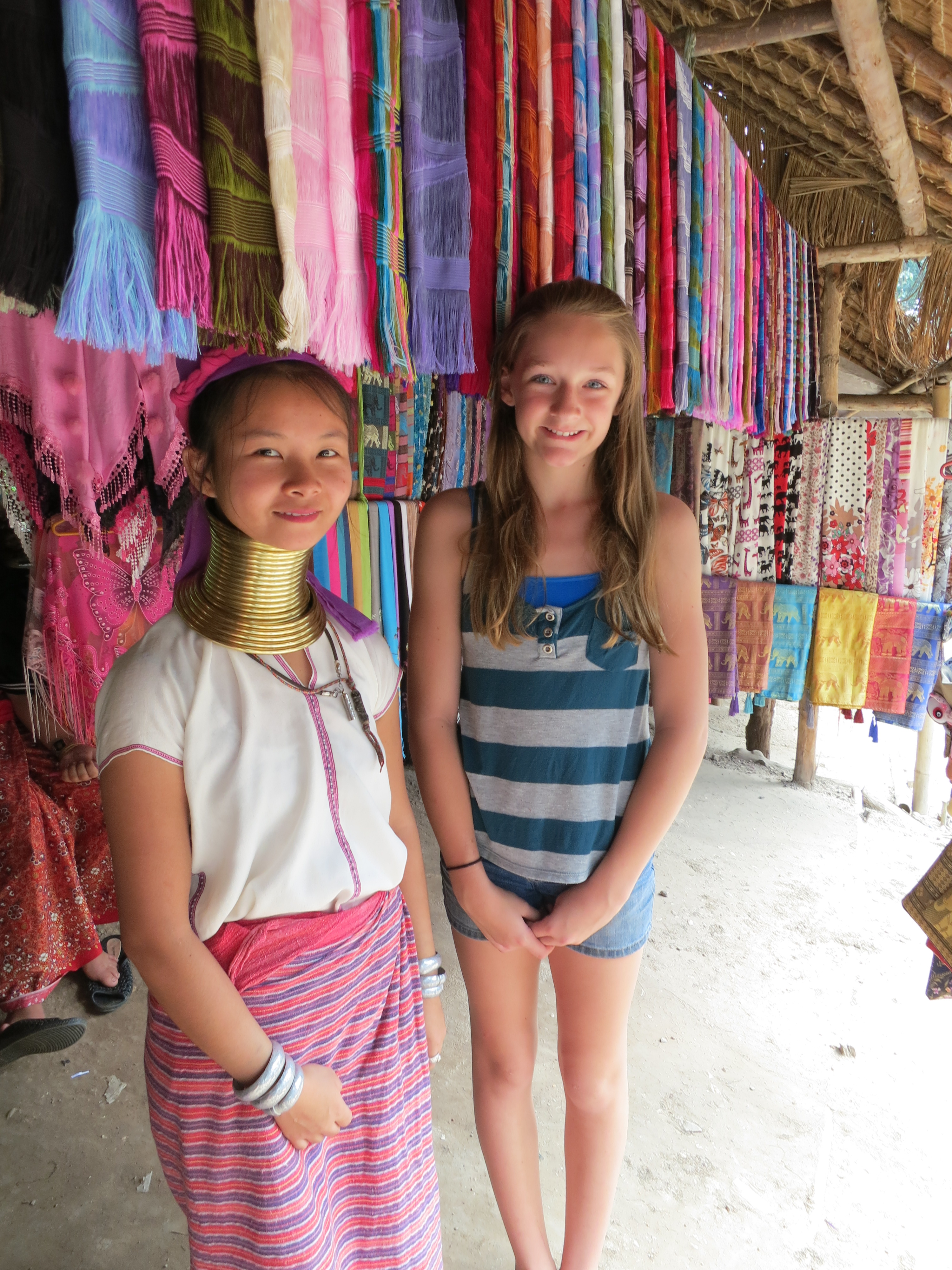
Ally with longneck woman.

The Longnecks are the most well-known members of the Karen.  They are the women who you see in National Geographic magazines wearing stacks of brass rings around their necks.  There is not a single explanation for this unusual custom.  Instead, there’s a handful of plausible theories.  One theory is that it’s done to prevent tigers from biting them.  Another theory is that it’s done to make them look unattractive, so slave traders wouldn’t capture and sell them. Another theory suggests the opposite, that it’s done to make them more beautiful and attractive.

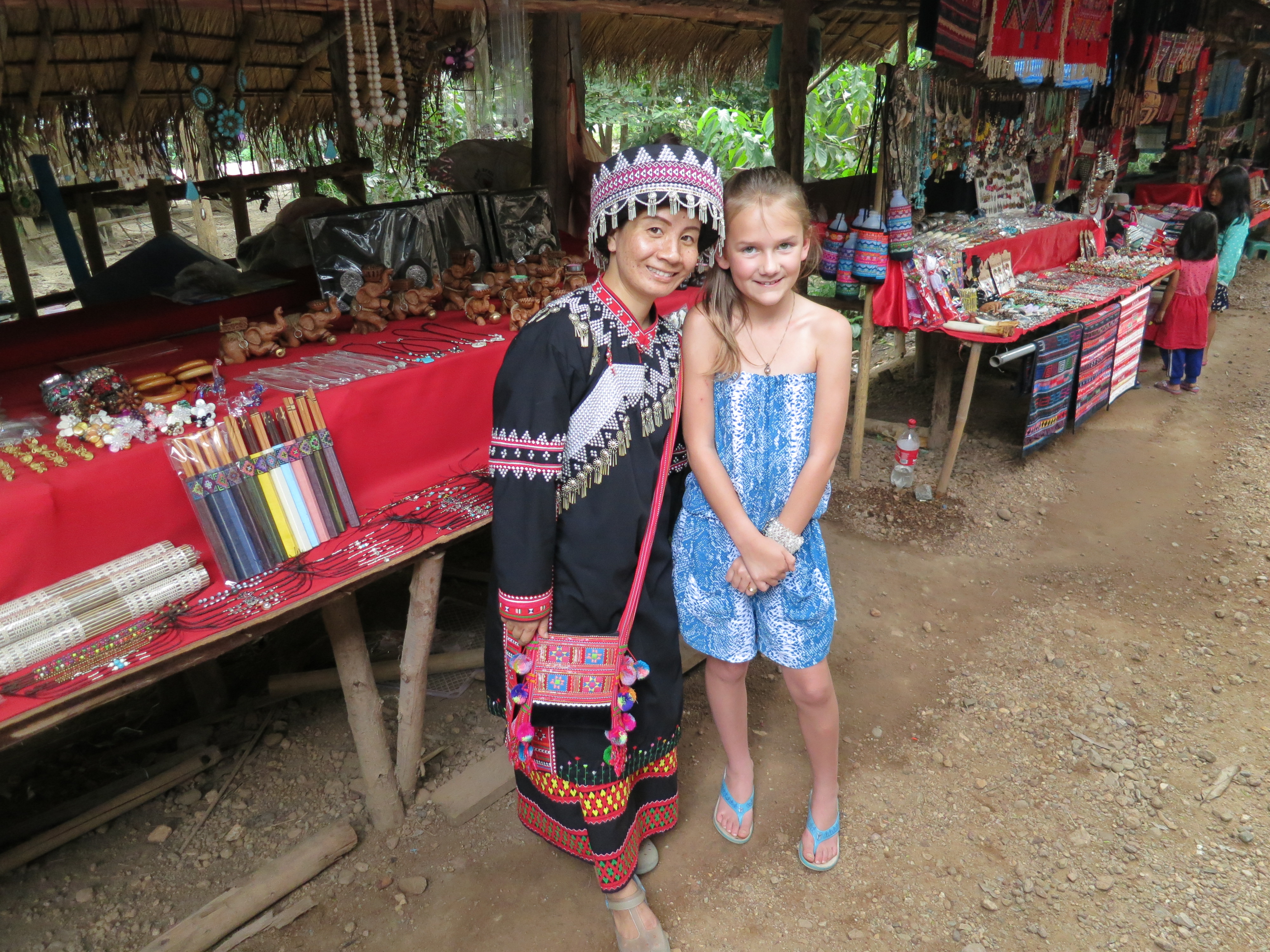
Kylee with tribe

Kylee with a different subgroup of the Karen people. This subgroup lives in the same community as the Longnecks, but they do not always follow the same customs and practices.  Instead of wearing brass rings around their necks, they wear traditional headpieces.

Flying Squirrels
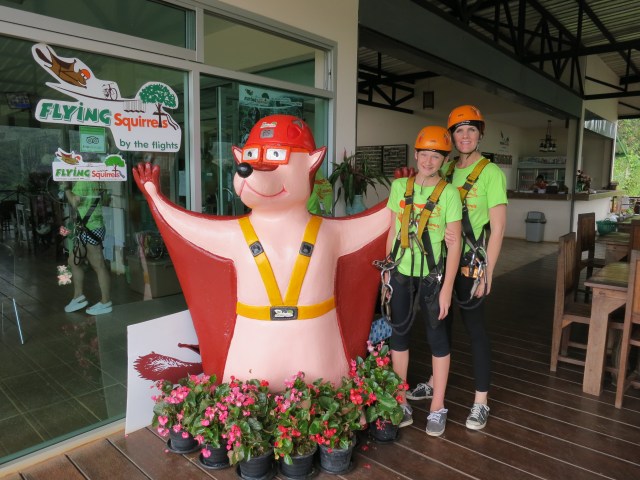
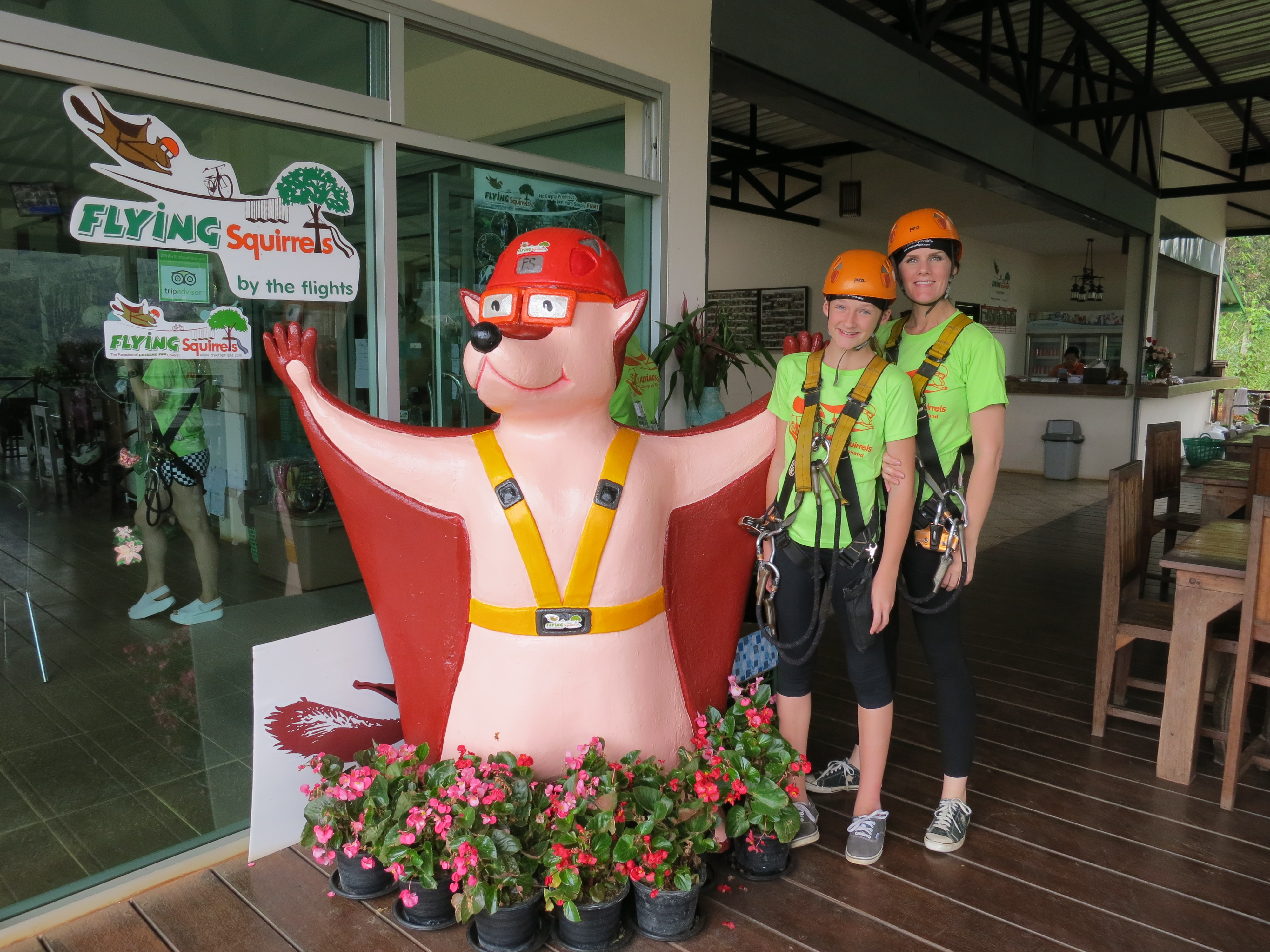
Flying Squirrels

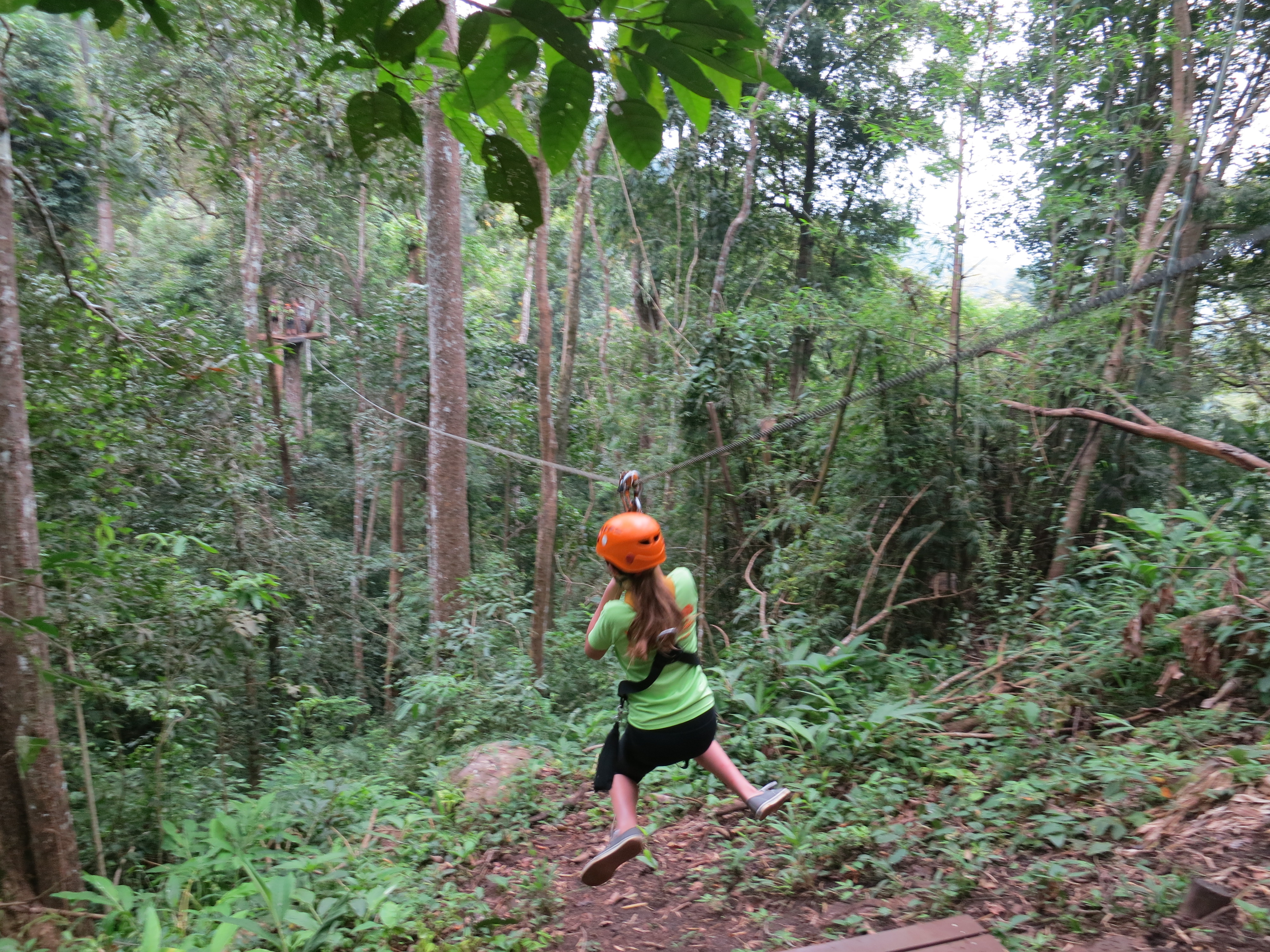
Ally has always wanted to go zip-lining.  Lucky for her, there was a company within minutes of our hotel that offered “an adventure of a lifetime.” The unique  zip-line course, built in the canopy, was composed of 26 platforms, including 14 zip-lines (from 200 meters to 600 meters long) and an obstacle course made of suspension bridges, a swing walk, cargo climbing nets, a tandem bicycle, and a Tarzan rope.  This picture was taken right after we were equipped with our gear.
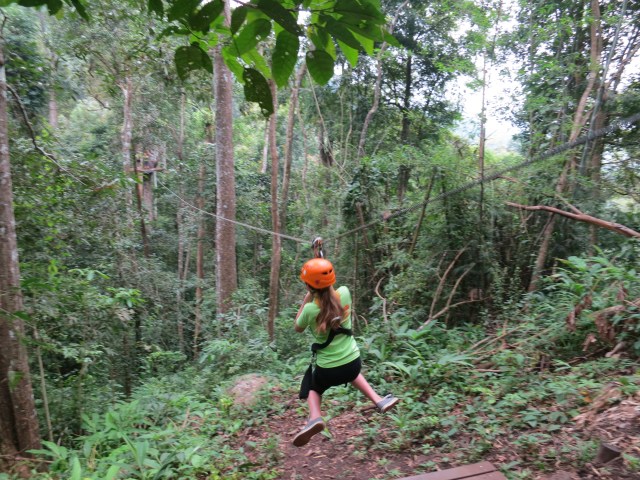
Ally flying

Ally beginning the course.  The only times that our feet were safely rooted to the ground, was here, and, an hour later, at the ending point.

Tiger Kingdom

Chris with tiger

Tiger Kingdom is a popular spot that allows tourists to enter cages with free roaming tigers.  Chris went into a cage with a large tiger and a medium-sized tiger.  He spent most of his time (15 minutes) with this tiger.  The company claims that the tigers are tamed from birth, and not drugged.  They seemed alert and attentive (as you can see in the picture), but its hard to imagine that these animals are naturally tame.
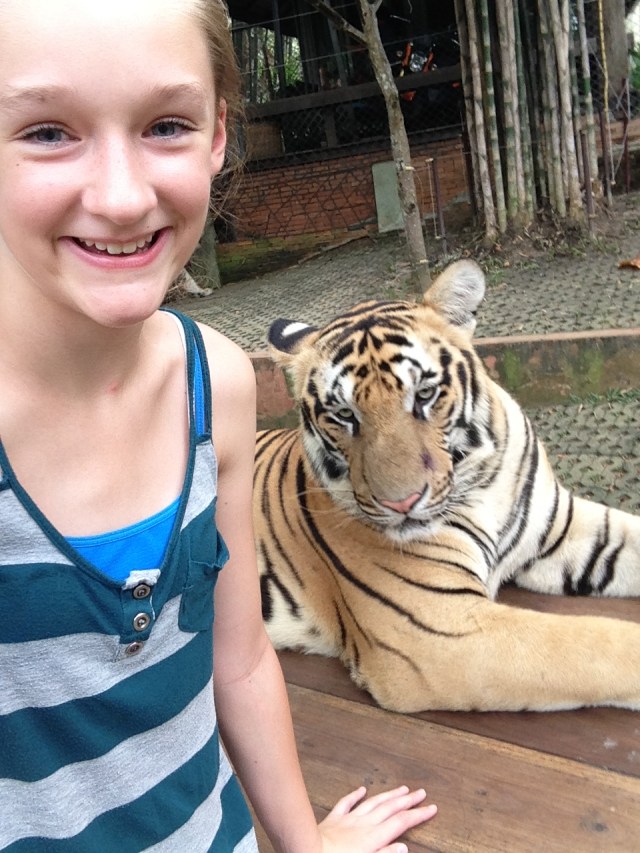
Ally with tiger

This tiger’s expression says it all – “Not another one!”

Kylee with tiger

Kylee chose to spend her time in the playpen with a baby tiger (which worked out because she was too young to go into a cage with a medium or large sized tiger).  The baby tigers were more playful than the larger, older tigers, and they loved to cuddle.

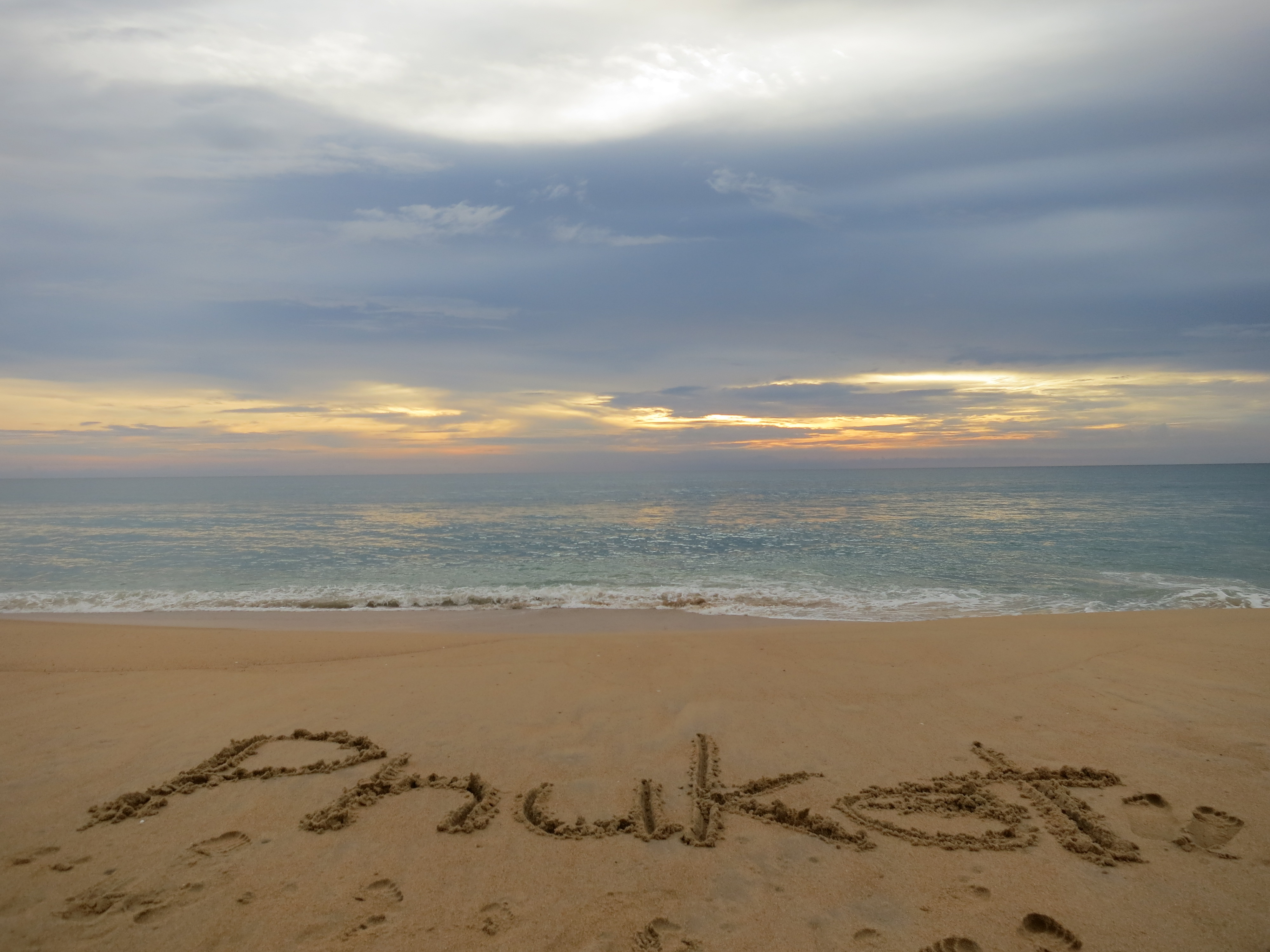
After leaving Chiang Mai, we flew to Phuket and spent four days on the beach. Phuket epitomizes the splendor of island vacations. Its scenic appeal is found in islands and limestone stacks that abruptly appear off the coast of the Andaman Sea. The most famous island is Phi Phi Island were Leonardo DiCapprio’s movie, The Beach, was filmed. The most famous stack, known as James Bond Island, is the backdrop to its namesake’s 1974 classic, The Man with the Golden Gun. Today, the islands and stacks are popular destinations for tourists and extreme rock climbers.
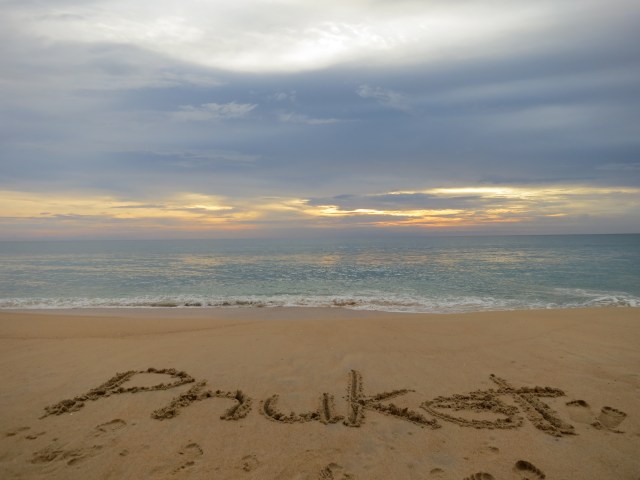
Phuket

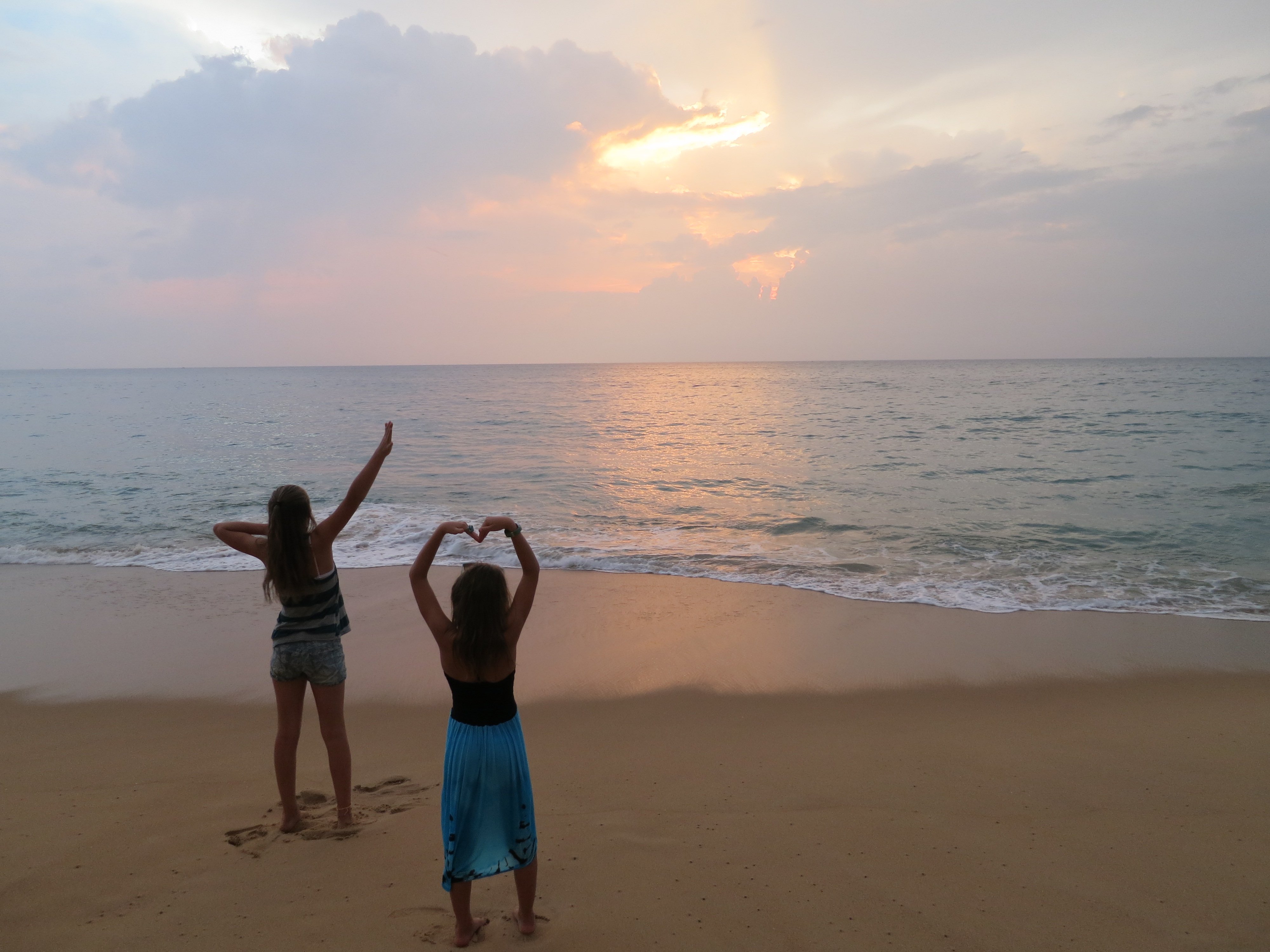
Girls on beach

The girls enjoying the sunset on the beach.

Walking on beach

There were several sightings of jellyfish in the ocean while we were there, so we spent a lot of time in the hotel pools and walking along the beach.

Phuket snorkeling

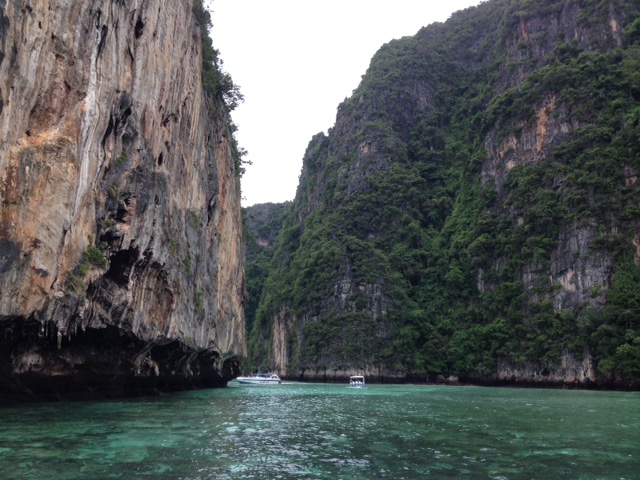
We went on a speed boat excursion that took us to three small islands for a day of snorkeling, swimming, and sunbathing.  Our first stop was Phi Phi Island (where The Beach was filmed). This picture was taken as we were entering Maya Bay.
Phuket jumping off boat

This is a picture of two giant stacks, which we passed on our way to Pileh Cove.  The captain took us into the cove to jump and dive off the back of the boat before lunch.
Bird poop

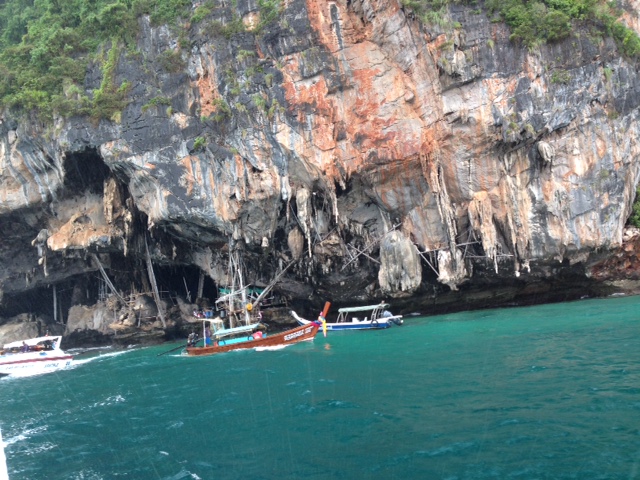
This, of all things, is a harvesting site for edible bird’s nests.  Several species of the swift (including the Pacific Swift and Swiftlet) make nests, constructed from glutinous strands of starch-like saliva, that’s used in Asian cooking.  Bird’s nests are regarded as “the caviar of the East” because they’re an expensive delicacy.  The girls and I tasted bird’s nest soda in Bali a couple of months ago, but most of it was poured down the sink.

Sea Gypsy

This is a picture of a sea gypsy village.  The sea gypsies are an indigenous group of nomads who roam the sea in wooden boats, called kabangs.  They, also, build temporary huts along the beaches from one side of the island to the other side of the island as the weather changes.
Posted in Ally Rose, Kylee Rose, Uncategorized | Tagged , , , , , , , , , , , , , , , , , , , , | 9 Comments

We’re on Vacation!

Sorry-out-to-live-be-back-soonI’ll be back in two weeks to post more pictures and stories of our family’s adventures in Indonesia (and beyond)!

Posted in Uncategorized | Tagged , , , | Leave a comment

Demonstrations, Rallies, Roadblocks, Strikes and Protests

Demonstrations, rallies, roadblocks, strikes, and protests have been occasional occurrences at jobsite. They have been as small as a few dozen Papuans who assembled near the main office complex for a few hours and as large as a site-wide strike that halted production and maintenance for several weeks. No matter how large or small they were, they took on a life of their own and added to the unique experience of living at jobsite.

Early Wednesday morning, a few hundred Freeport Indonesia employees blocked the access road to the company’s operations, preventing everyone from going to work. Within hours, that single act of defiance led to a site-wide strike (as described by the media), involving more than 3,000 employees, and an unplanned, uninvited shutdown.

The spirited crowd is no longer blocking the road, and underground mining is back in business, but the work stoppage is not completely over.   The company continues to work with union leaders, tribal leaders, and government officials to resolve the issue.

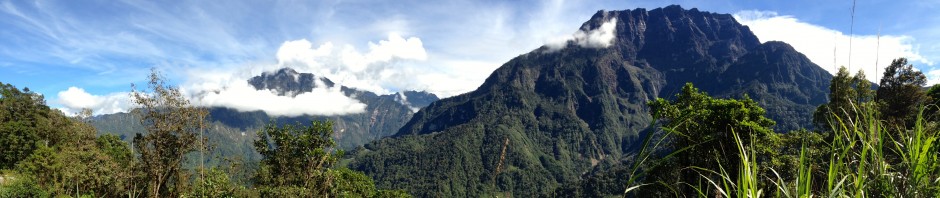
This picture, of union protestors, was taken by a friend who was promised anonymity.

A picture of protesters (provided by a friend).

My personal opinions and views do not reflect the views of Freeport-McMoRan Copper & Gold Inc. or any of its subsidiaries, affiliates, business partners or related business entities.
Posted in Uncategorized | Tagged , , , , , , , , | 4 Comments

72 Hours in China

China is home to one of the greatest ancient civilizations of the world. Its long, colorful history and distinctive culture warranted its place on our list of countries to visit, but the value of experiencing its antiquity propelled it to the top.  There is nothing more compelling than the thought of setting foot on the Great Wall of China and looking into the timeless eyes of a terracotta soldier.

The girls and I scheduled a quick, objective based trip to Beijing. We spent three days flying, walking, climbing, and tramping to and around our destinations. By the end of our journey, our muscles ached and our feet throbbed, but the euphoria of seeing some of the world’s greatest treasures soothed the pain.

Day 1 – The Great Wall of China

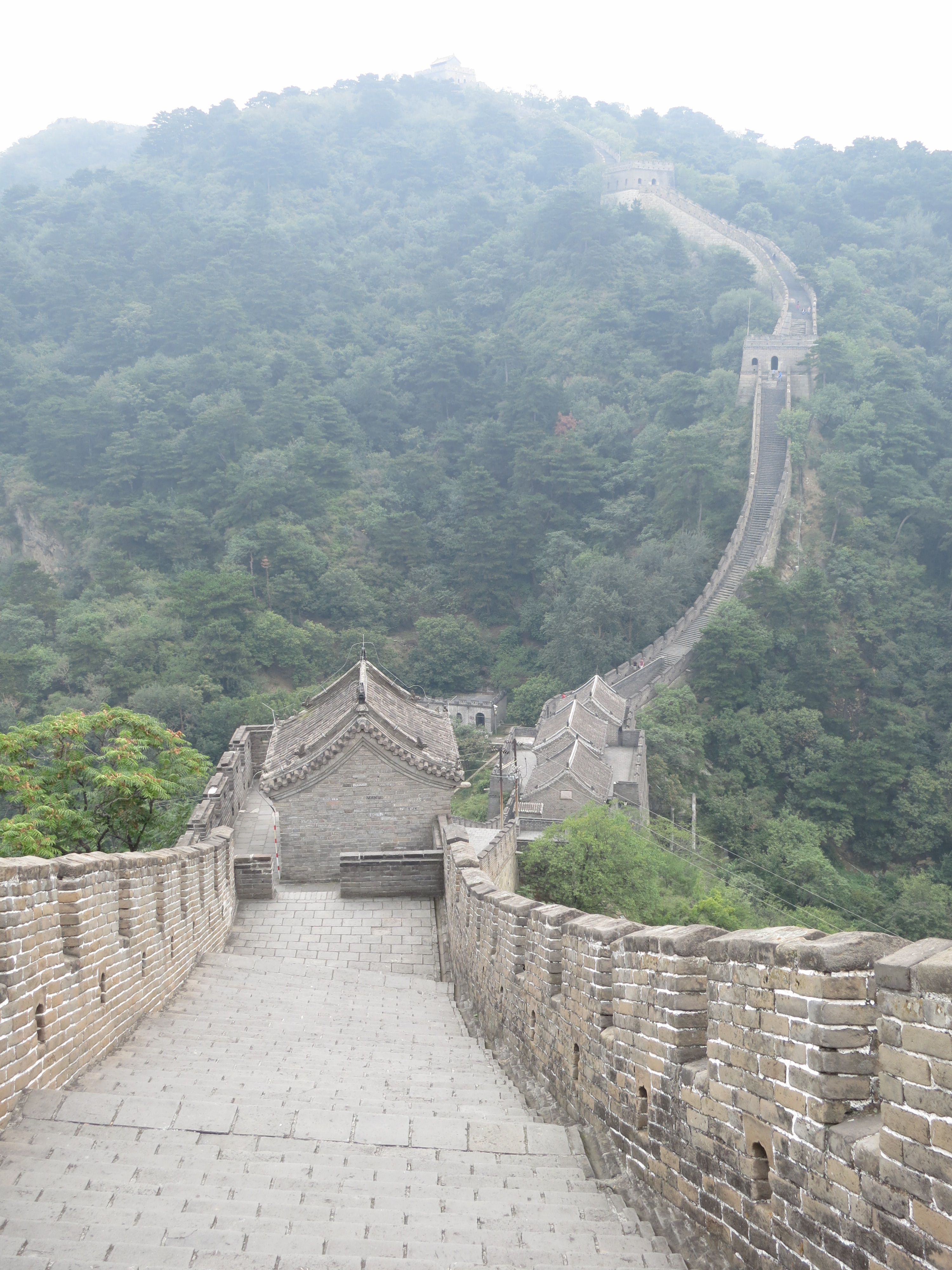
The Great Wall of China was built more than 2000 years ago, during the Qin dynasty (221-207BC). It is a fragmented series of fortifications that spans across the northern borders of China. It took hundreds of thousands of workers, and ten years, to build the structure. We visited the Mutianyu section of the wall. It is known for its spectacular views and Ming-dynasty era watchtowers. This part of the wall has been, and continues to be, rebuilt, but it is still an "engineering triumph."

The Great Wall of China was built more than 2,000 years ago during the Qin dynasty (221-207BC). It’s a fragmented series of fortifications that spans across China’s northern border.  We visited the Mutianyu section of the wall, which is known for its spectacular views and Ming-dynasty watchtowers. This part of the wall has been, and continues to be, rebuilt and enhanced, but it’s still an incredible sight to see.

The wall was incredibly steep in some areas, and required a little stamina to make it from watch tower to watch tower.

Several sections of the wall are incredibly steep, including this one.  It requires quite a bit of stamina to hike from one watchtower to another.  These pictures fail to show the overall grandeur and beauty of the Great Wall.

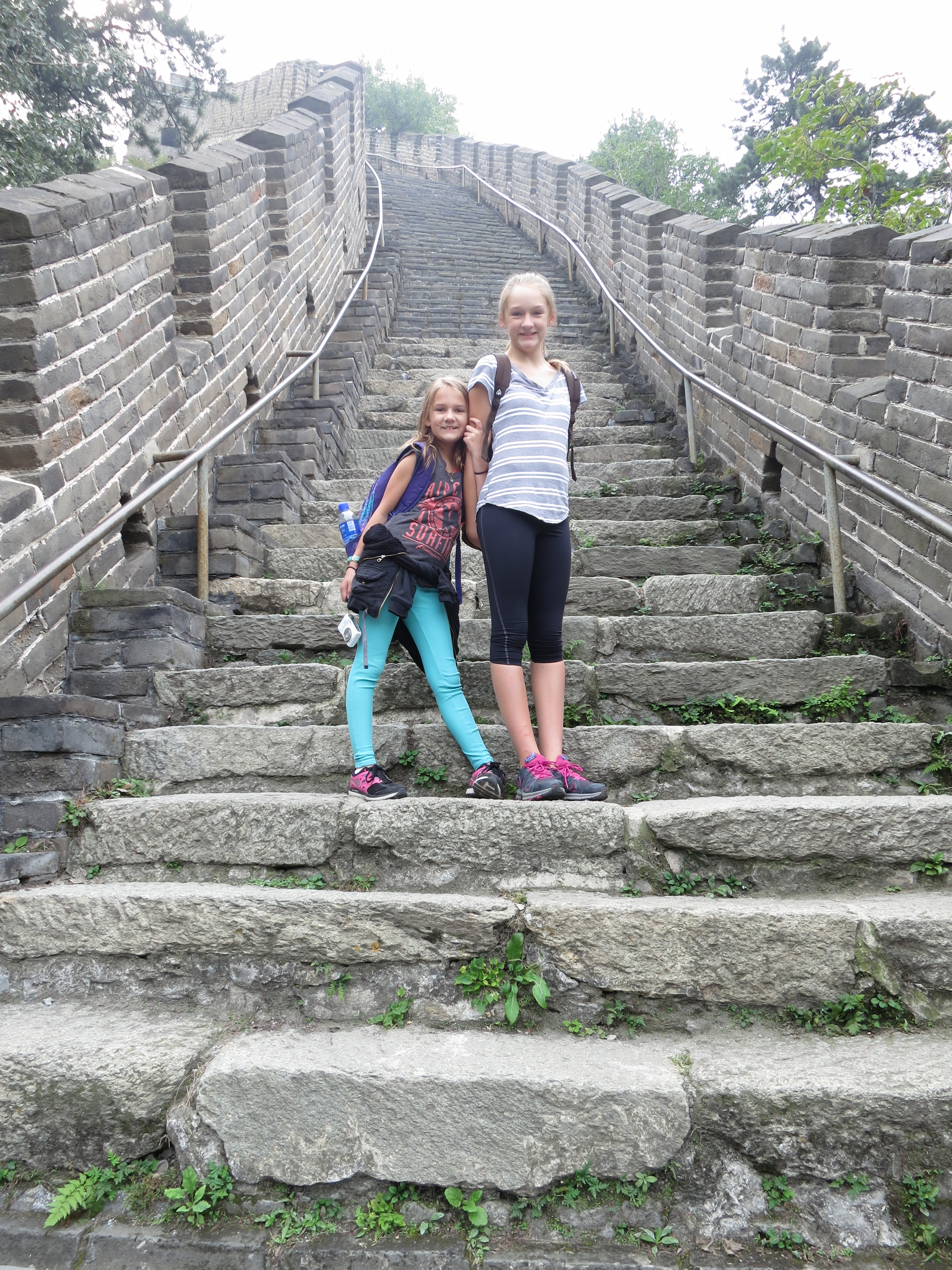
Ally and Kylee standing on the Great Wall of China.

Ally and Kylee standing on the Great Wall of China.

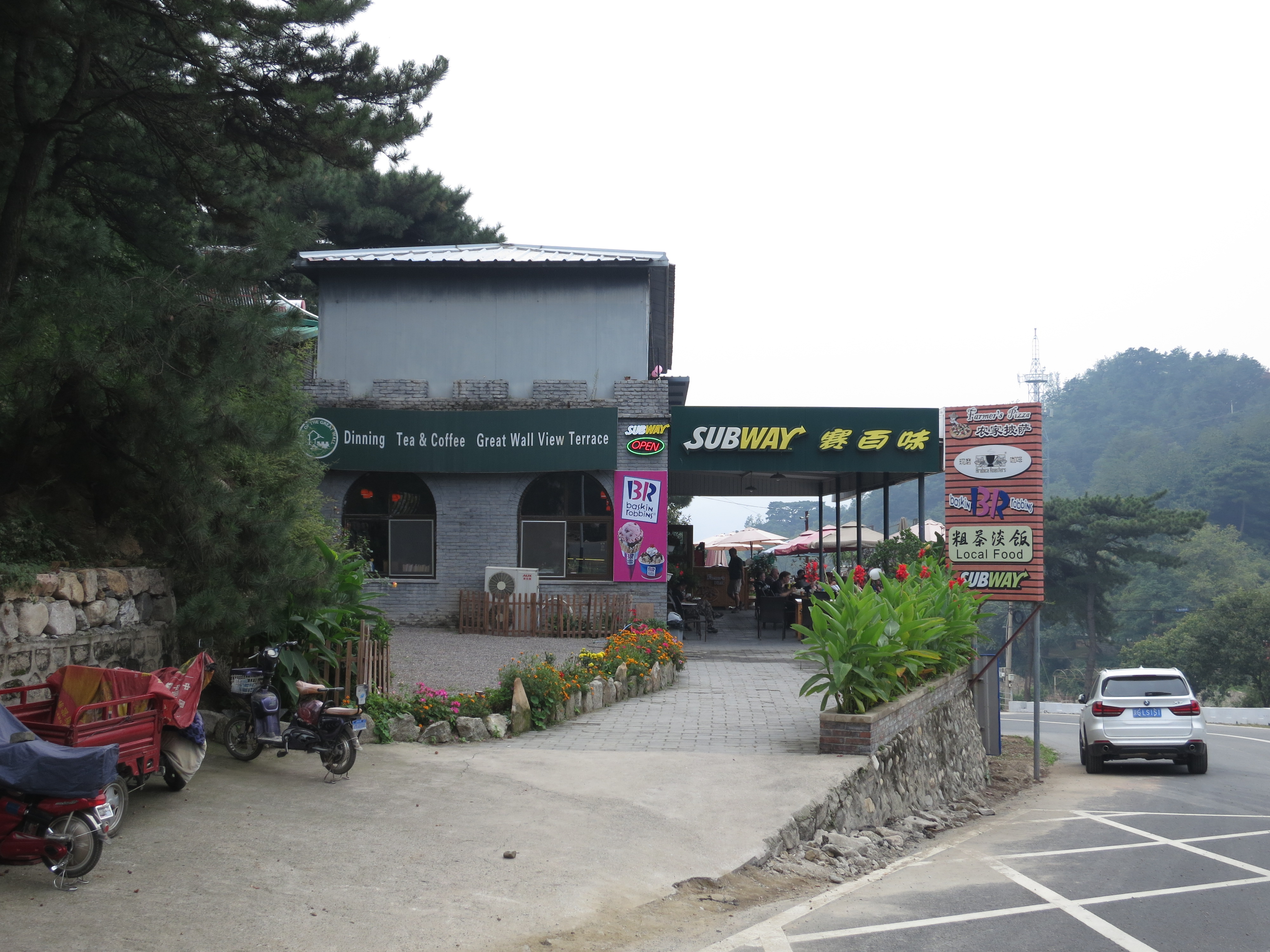
This has to be the strangest juxtaposition that I have ever seen - a Subway and Baskin Robbins, located

This has to be the strangest juxtaposition that I have ever seen.  There is a Subway and Baskin Robbins located directly below the entrance/exit to the Great Wall.  To make it even stranger, loud speakers were belting out the sounds of the Bee Gees for everyone to hear.

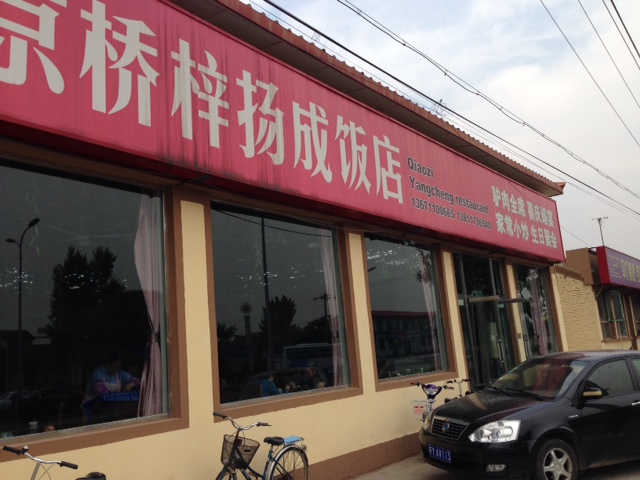
After hiking the Great Wall, we ate lunch at a traditional Chinese restaurant.  Located in a small village between the Great Wall and Beijing, it proudly serves donkey.

Our tour included lunch at a traditional Chinese restaurant. Located in a small village, the menu is influenced by the availability of local crops and animals.  The predominant ingredient on the restaurant’s menu is donkey.

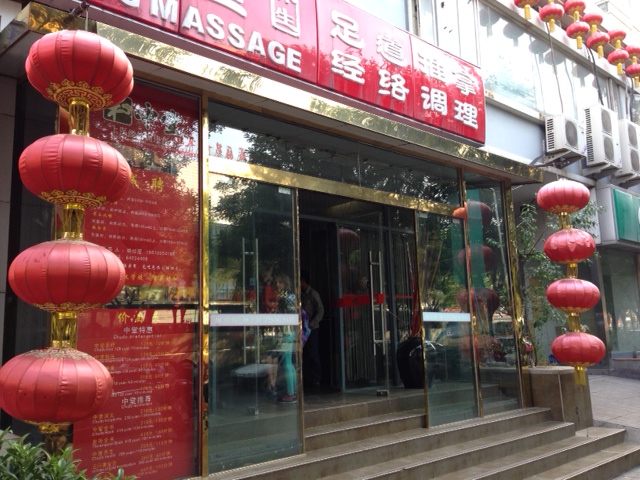
After lunch, we went to a spa for (much needed) foot massages and reflexology treatments.  The girls enjoyed the "cupping" portion of the treatment the most.

After returning to Beijing, we went to a massage parlor for much needed foot massages and reflexology treatments. The treatment included fire cupping, which is an ancient Chinese form of alternative medicine that uses suctioning to increase circulation and promote healing.

Day 2 – The Terracotta Soldiers (Xi’an, China)

We flew to Xi'an, with a day trip tour, just to see the The Terracota Soldiers.  It is one of the most significant archeological finds in history.  These soldiers and horses were created and buried to guard and protect China's first unifier, Quin Shi Huang, in his afterlife.   The Terracota Soldiers are amazing works of art.

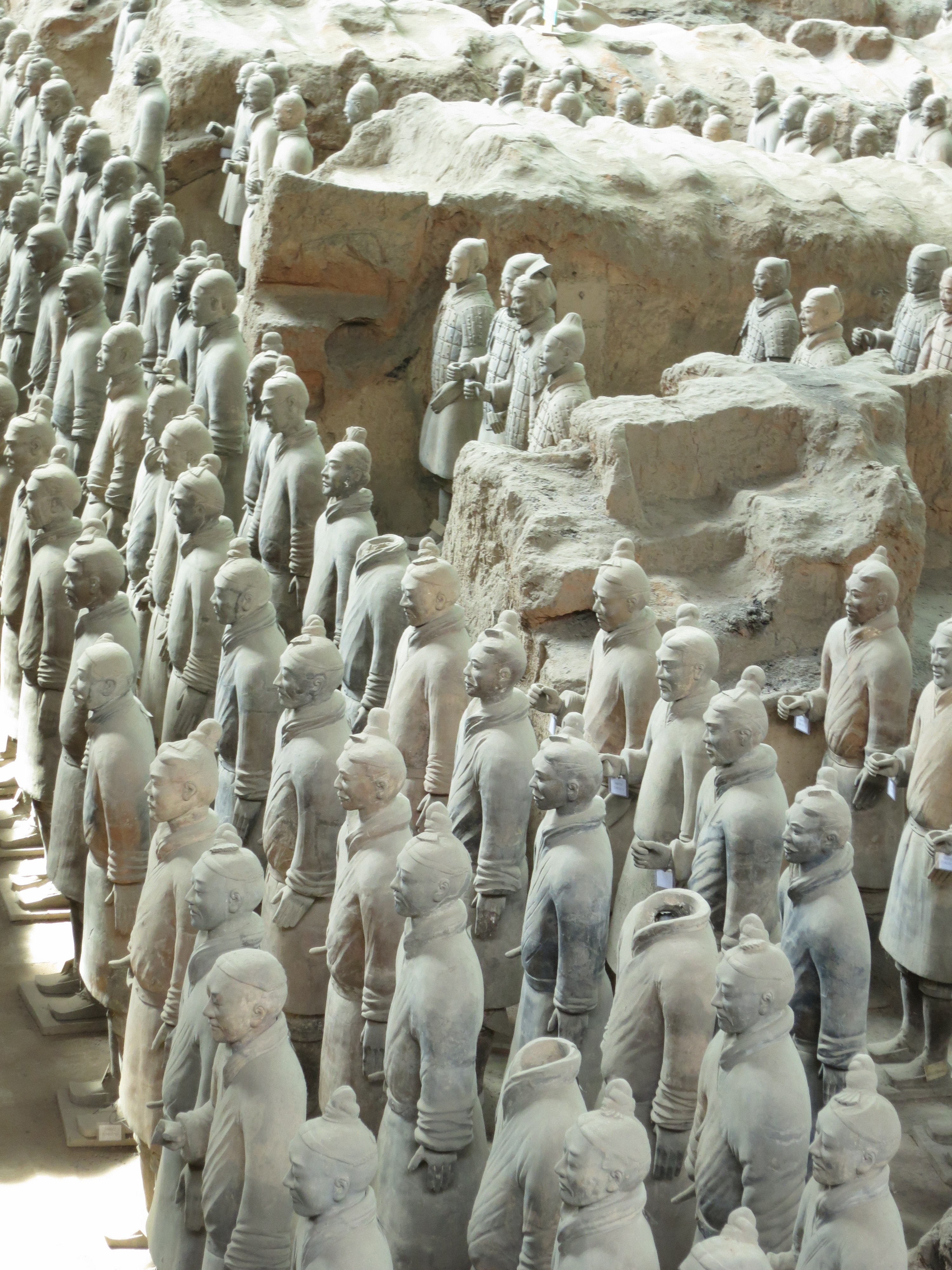
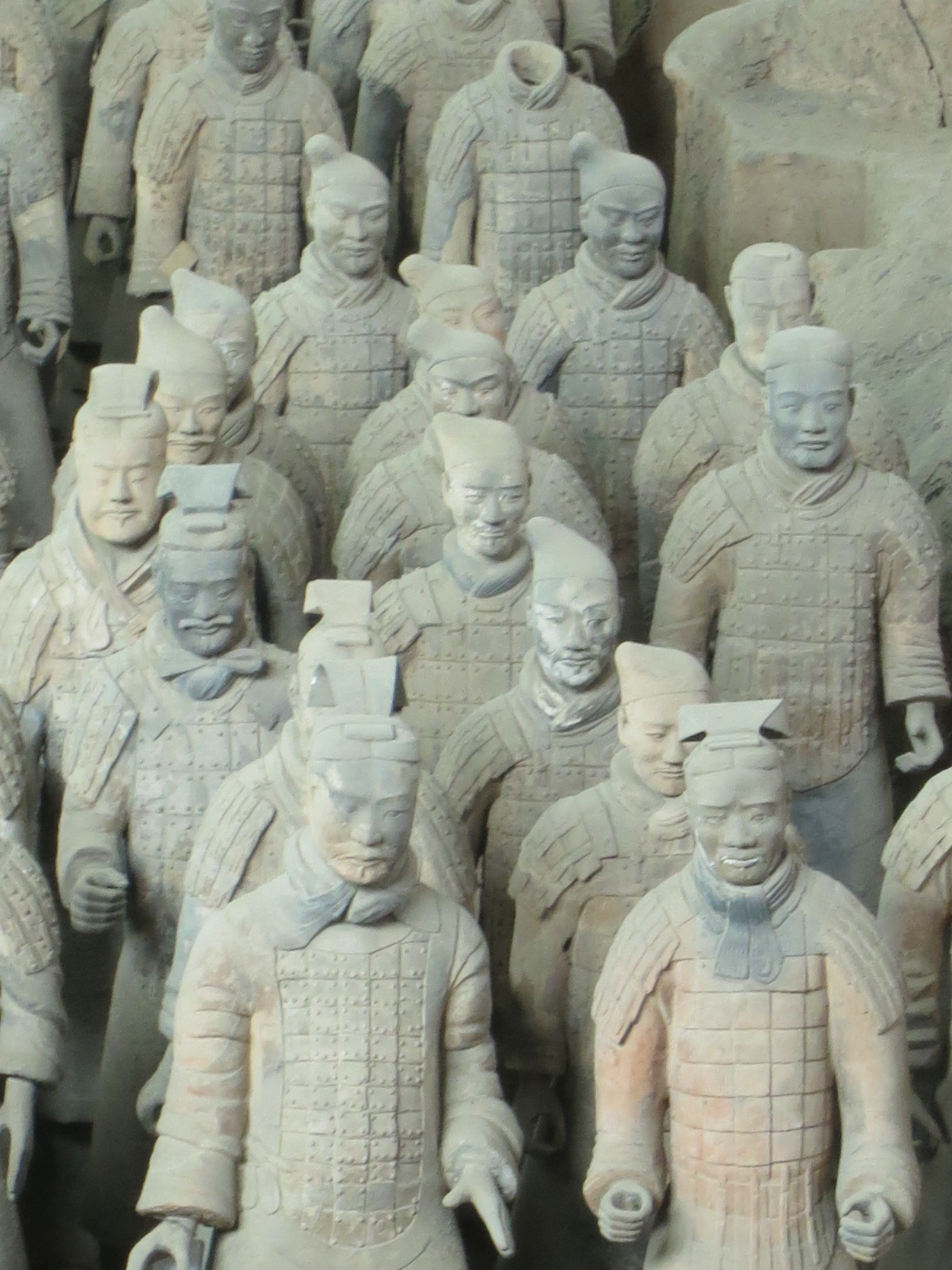
We flew to Xi’an (on a day tour) to see the Terracotta Soldiers.  The imposing army was created and buried to guard and protect China’s first unifier, Quin Shi Huang, during his afterlife.  It is one of the most significant archeological finds in history.  This picture was taken of Pit 1.  There are more than 6,000 life-size soldiers, standing in Qin battle formation, in this pit.

The most interesting thing about the soldiers is that no two are alike.  They have artfully detailed facial characteristics and expressions that give them a personality.

The most interesting thing about the soldiers is that no two are alike. The artisans who carved them, skillfully detailed each face with unique characteristics and expressions, giving them their own personalities.

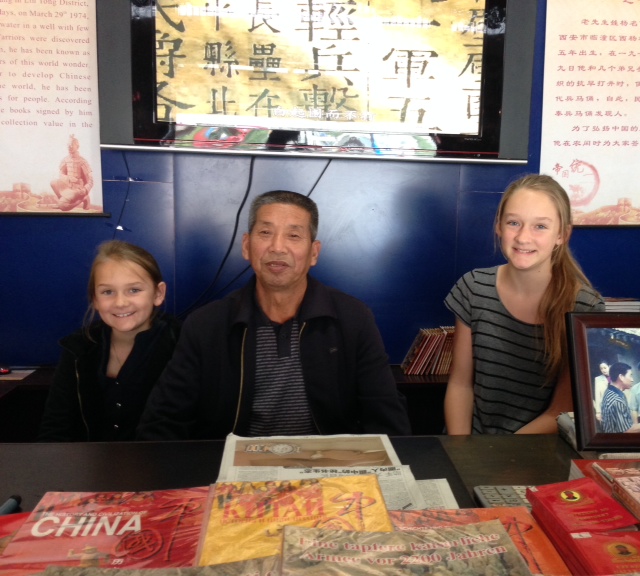
The girls were able to meet Hui-Min Yang, the farmer who unearthed pottery fragments that led to the discovery of the Terracotta Soldiers.  In 1974, he and two other farmers were drilling for wells when they made the historical discovery.

The girls were able to meet Hui-Min Yang, the farmer who unearthed pottery fragments that led to the discovery of the Terracotta Soldiers. In 1974, he and two other farmers were drilling for water wells when they made one of the world’s most historical finds.

After seeing the Teracotta Soldiers, we enjoyed a dumpling lunch at De Fa Chang.  It is more than 100 years old and is now owned by the government to preserve its.

After seeing the Terracotta Soldiers, we went to De Fa Chang for a traditional dumpling meal. This restaurant is more than 100 years old, and is now owned by the Chinese government for the purpose of preserving its history and extending its longevity.

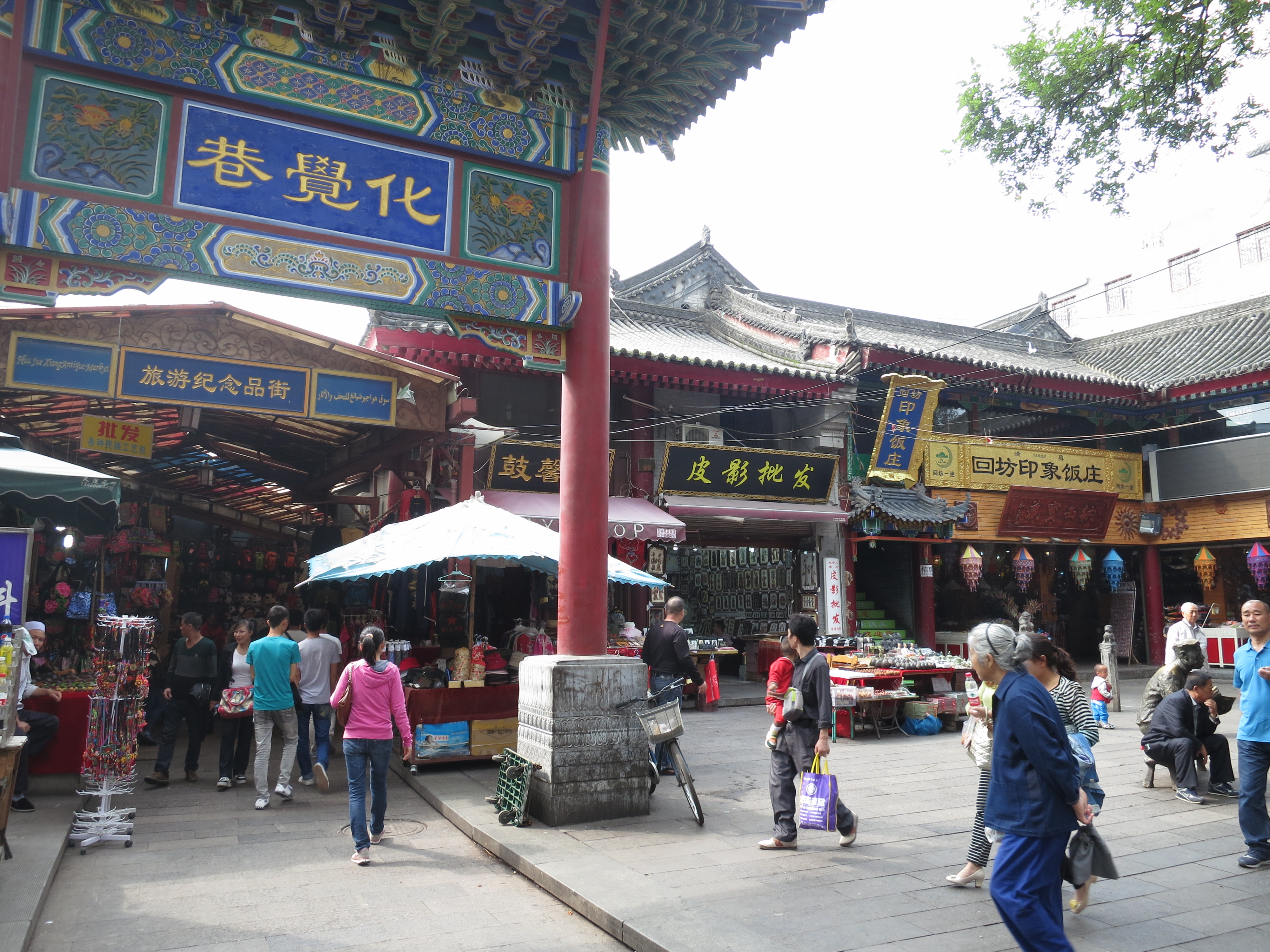
Shopping in Mosque Quarters.

After lunch, we walked through Muslim Quarter.  The Great Mosque, which quietly stands in the middle of the square, is surrounded by restaurants, shops, street vendors, butcher shops, and sesame oil factories.

Day 3 – Beijing

Tinenman Square

This is a picture of the girls at Tiananman Square.  Our self-guided tour took up most of the morning because we couldn’t find our way out of the heavily secured area.  Even though Beijing hosted the 2008 Summer Olympics, very little English is spoken or used in China.  Even signs in and around the city are only written in Chinese.

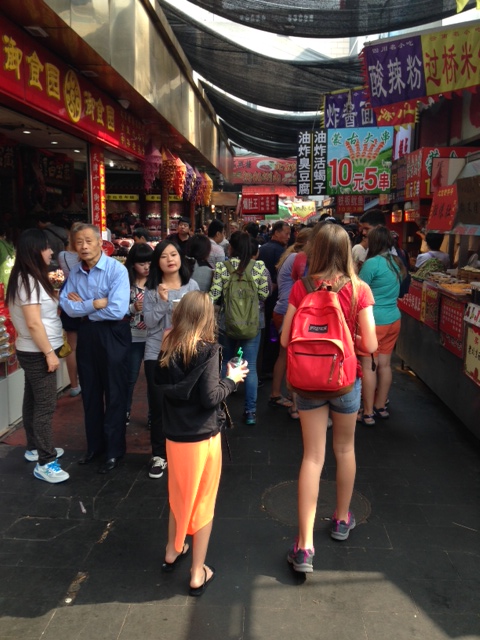
Shopping in the street markets.  This is where the girls practiced their bargaining skills and bought most of their treasures.

Our hotel was located in the heart of Beijing, so there were a lot of opportunities for shopping, including various street and night markets.  Dong Hua Men Night Market was one of our favorite spots.  It is where the girls practiced their bargaining skills, bought most of their treasures, and sampled some of China’s unique cuisine.

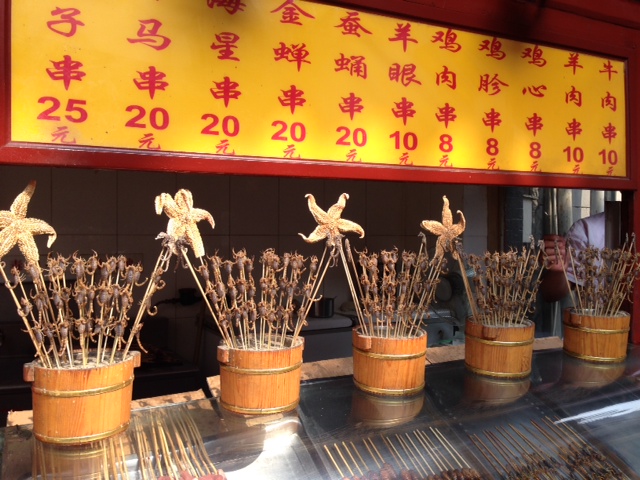
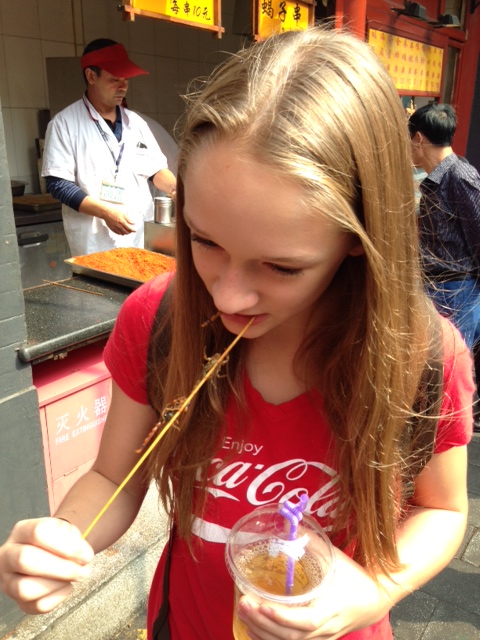
These are live scorpions on a stick.  I have a video of this scene that I will post when we go off site (the internet connection is too slow to do it here).  As soon as the girls saw them, they had to try them!  They are grilled and salted.  In all honesty, they are pretty good!

These are LIVE scorpions on a stick.  As soon as the girls saw them, they knew that they had to try them. After choosing the scorpion studded stick that they wanted, the street vendor grilled and seasoned them for consumption.  In all honesty, those little critters were quite tasty!

Ally taking a bite of scorpion skewer.

Ally taking a bite of her skewered scorpions.

Kylee taking a bite of her skewered scorpions.

Kylee taking a bite of her skewered scorpions.

There is an old Chinese proverb that states, “He who returns from a journey is not the same as he who left.” Journeys of every kind – long or short, near or far, relaxing or chaotic – are life changing experiences. They alter our perspective, challenge us to try new things, expose us to the unexpected, and teach us new skills. Our trip to China was no exception.

Posted in Ally Rose, Kylee Rose, Uncategorized | Tagged , , , , , , , , , , , , | 9 Comments

We’re on Vacation!

Sorry-out-to-live-be-back-soonI’ll be back in one week to post more pictures and stories of our family’s adventures in Indonesia (and beyond)!

Posted in Uncategorized | Leave a comment

One of These Things

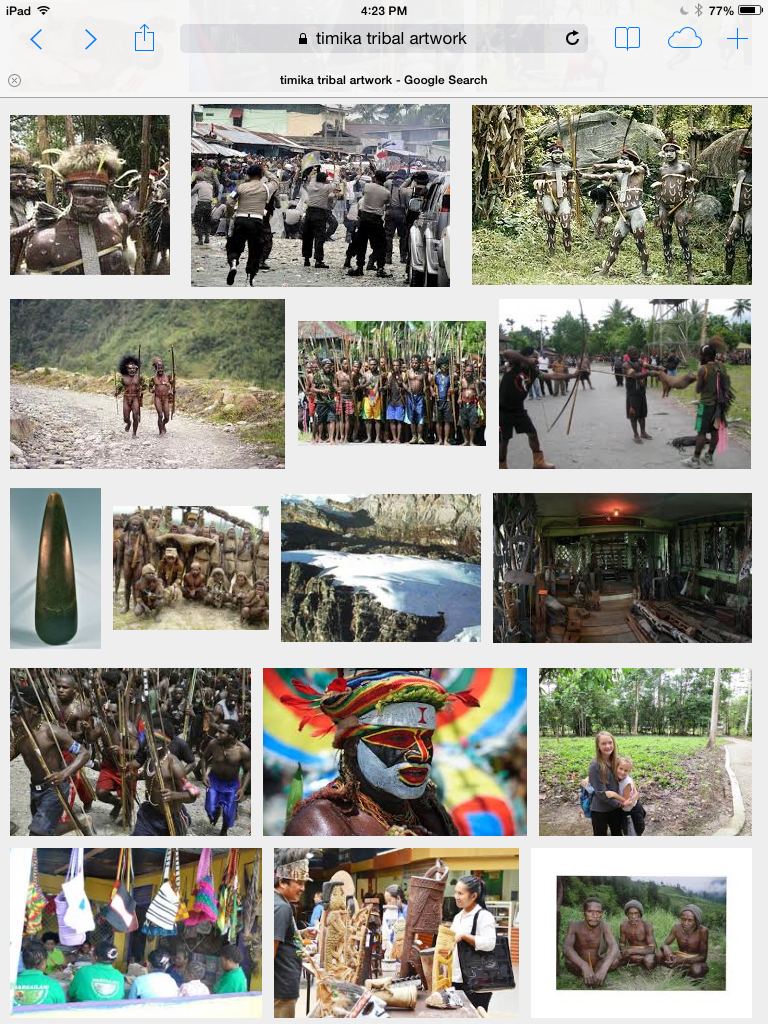
A few weeks ago, while conducting an image search for Papuan art, I entered “timika tribal artwork” in the Google search box.  When the results popped up, a collection of pictures illuminated the screen.  It included pictures of Papuans adorned with body paint, clashes between Papuans and the Indonesian military, a Papuan tool used in death rituals, a tribesman dressed in ceremonial attire, and then, of all things, two little blonde girls.  It was shocking to see a tender picture of Ally and Kylee in the mix of such raw, primordial displays of life.

To the unknowing eye, it looks like a perfect game of, One of These Things is Not Like the Others.  However, to the knowing eye, they all belong.  The girls are permanently connected and bound to this primitive universe with unbreakable life threads. Ironically, even Google recognizes it.

The picture of Ally and Kylee in this screenshot was attached to the Two Little Monkeys post.  It's funny how Google works!

The picture of Ally and Kylee in this screenshot was attached to the Two Little Monkeys post that I wrote and posted in February.

Posted in Ally Rose, Kylee Rose, Uncategorized | Tagged , , , , , , , | Leave a comment